Trump Considers Insurrection Act Amid Rising Tensions in Minnesota
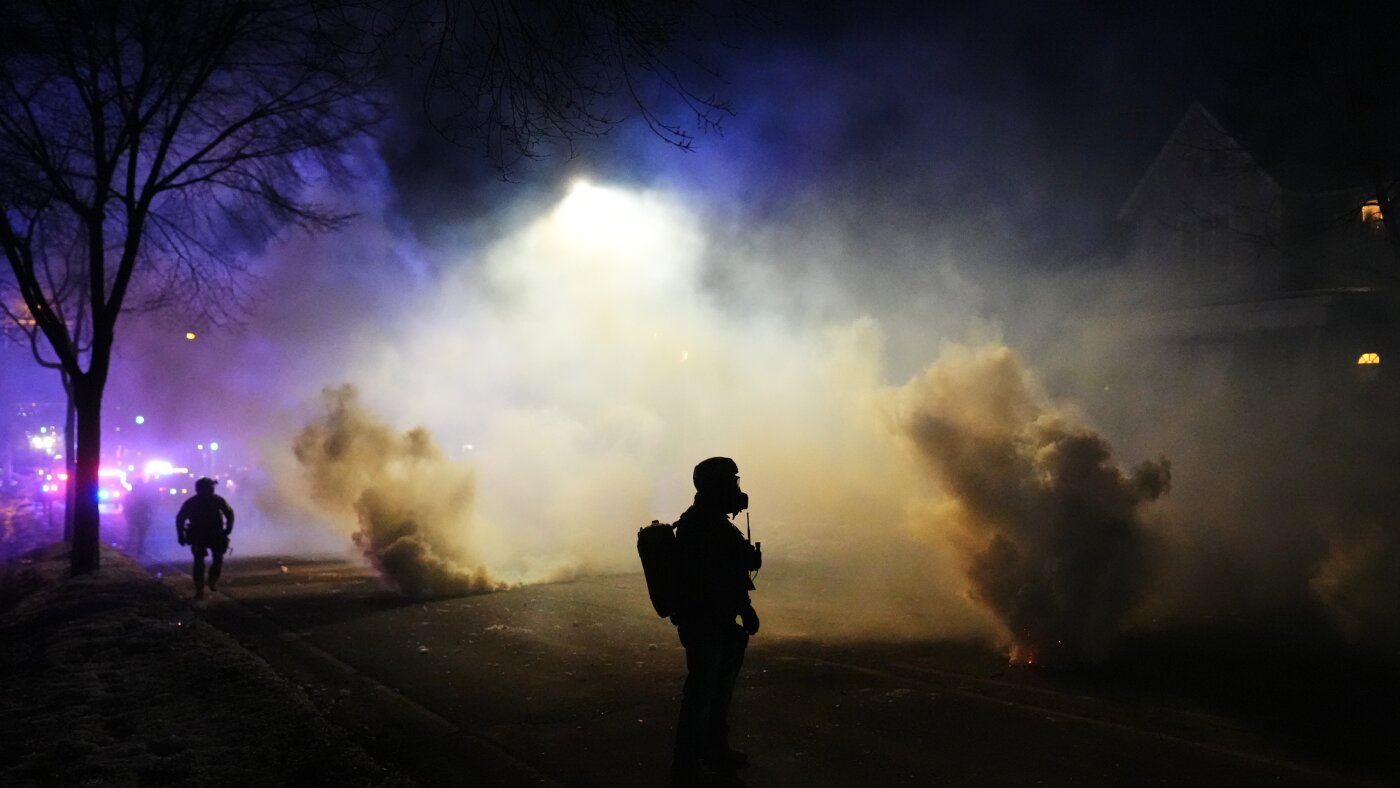
In the wake of escalating protests in Minnesota following a controversial incident involving Immigration and Customs Enforcement (ICE), President Trump has hinted at invoking the Insurrection Act. This move comes as demonstrations intensify after the fatal shooting of Renee Macklin Good, a 37-year-old Minneapolis resident, by an ICE agent.
The protests gained further momentum when a Venezuelan immigrant was wounded by ICE agents during an attempted arrest in Minneapolis. This has fueled the nationwide debate over ICE’s operations and presence across the U.S.
President Trump expressed his stance on the situation through a post on Truth Social, stating, “If the corrupt politicians of Minnesota don’t obey the law and stop the professional agitators and insurrectionists from attacking the Patriots of I.C.E., who are only trying to do their job, I will institute the INSURRECTION ACT, which many Presidents have done before me, and quickly put an end to the travesty that is taking place in that once great State.”
Minnesota Attorney General Keith Ellison responded by blaming the federal government’s strong presence for sparking the unrest. He emphasized his readiness to challenge the potential invocation of the Insurrection Act in court, arguing that the current situation does not justify its use.
Understanding the Insurrection Act’s Implications
The Insurrection Act provides the president the authority to deploy military forces within the U.S. to restore order. Unlike the National Guard deployments under Title 10, which keep troops under federal control, the Insurrection Act allows military personnel to perform law enforcement duties, including arrests and searches.
This act, signed into law by Thomas Jefferson in 1807, has been invoked approximately 30 times since its inception. The last notable instance occurred more than 30 years ago. President Trump has frequently suggested using this statute during his second term, particularly in response to protests against ICE.
While Trump asserts that the act has been commonly used by past presidents, data from the Brennan Center for Justice indicates that only 17 of 45 presidents have utilized the law. The claim that it was invoked 28 times by a single president is also inaccurate; Ulysses S. Grant used it the most, doing so six times during Reconstruction.
Paths to Invoking the Insurrection Act
There are three methods for a president to invoke the Insurrection Act, as outlined by the Brennan Center for Justice. First, a state’s legislature or governor can request federal intervention in the face of an “insurrection.” Second, the president can act without state consent if enforcing federal laws becomes “impracticable” due to unlawful activities. Lastly, the president can deploy troops to counteract an insurrection that obstructs federal law enforcement or justice.
Potential Consequences and Historical Context
Historically, the Insurrection Act was used during the 1992 Los Angeles riots at the request of California’s governor. However, deploying military forces as law enforcement can lead to miscommunications and unintended consequences, as demonstrated when Marines misunderstood a police request during the riots.
The act’s broad language grants the president significant discretion, with terms like “insurrection” and “impracticable” remaining undefined. Legal experts emphasize that while the act’s powers seem extensive, historical precedent plays a crucial role in its application.
Should President Trump choose to invoke the Insurrection Act to address crime or immigration enforcement, it would mark a significant departure from previous uses and could face legal challenges. Laura A. Dickinson of The George Washington University Law School noted, “ While it seems very broad on its face, it’s not a blank check.”
Additional reporting by NPR’s Meg Anderson.
This article was originally written by www.npr.org