U.S. Special Forces Soldier Accused of Profiting from Secret Raid on Venezuelan President
In a case that raises questions about the integrity of military operations and the use of insider knowledge, a U.S. Army special forces soldier has been charged with using confidential information for personal gain. The soldier allegedly capitalized on the secretive capture of Venezuelan President Nicolás Maduro to secure a substantial profit on a prediction market platform.
Federal prosecutors have unveiled an indictment against Gannon Ken Van Dyke, 38, accusing him of exploiting his role in the military operation to arrest the Venezuelan leader. Van Dyke reportedly leveraged the clandestine information to earn over $400,000 through Polymarket, a popular prediction market site. The indictment marks the first instance of U.S. officials filing criminal charges over prediction market wagers.
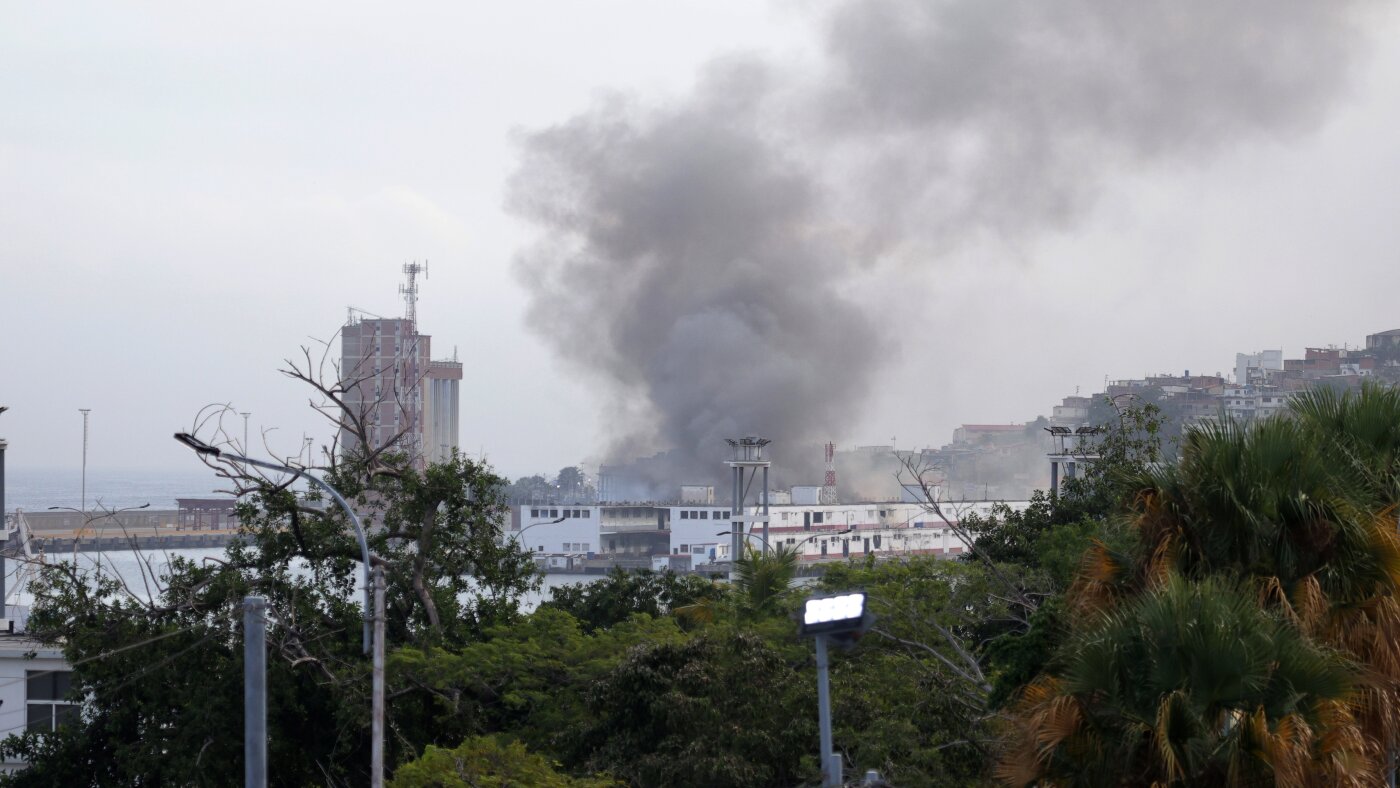
According to the Justice Department, Van Dyke was stationed at Fort Bragg, North Carolina, and was part of the team executing the predawn raid in Caracas, which led to Maduro’s arrest. The Department of Justice and the Commodity Futures Trading Commission have both taken legal action against Van Dyke.
Court documents reveal that Van Dyke faces multiple charges, including wire fraud, commodities fraud, and misusing non-public government information. Following the arrest of Maduro, Van Dyke was photographed aboard a warship in military attire alongside fellow officials.
The indictment details that Van Dyke used various usernames, such as “Burdensome-Mix,” to place bets totaling $32,000 on Maduro’s imminent ouster, resulting in significant profits. Prosecutors argue that Van Dyke attempted to conceal his activities by using pseudonymous accounts on Polymarket.
U.S. Attorney Jay Clayton for the Southern District of New York emphasized the gravity of the situation, stating, “Prediction markets are not a haven for using misappropriated confidential or classified information for personal gain.” The statement underscores the duty of those with access to sensitive information to protect it rather than exploit it for financial advantage.
Despite the serious allegations, Van Dyke’s defense attorney remains unidentified. Prosecutors allege that Van Dyke’s digital footprint, including his use of a personal email for Polymarket registration, played a crucial role in the investigation. When media coverage highlighted the Maduro trades, Van Dyke allegedly attempted to erase his Polymarket account, citing lost email access.
Neal Kumar, Polymarket’s chief legal officer, addressed the issue on X, highlighting the case as an example of how individuals can be tracked and identified when the company collaborates with federal authorities. “It’s not anonymous — you will be found just like this guy,” Kumar commented.
This case comes at a critical juncture for the prediction market industry, which faces increasing scrutiny from lawmakers and regulators. While Van Dyke is the first individual charged with insider trading on Polymarket in the U.S., similar allegations have led to arrests in Israel concerning military operations in Iran.
Polymarket operates its main exchange from Panama, beyond U.S. regulatory jurisdiction, though it remains accessible to American users through virtual private networks. The Biden administration previously imposed restrictions on Polymarket, prompting it to curtail its U.S. activities.
However, under the Trump administration, the site has experienced more lenient treatment, with a criminal investigation being dropped and permission granted to establish a U.S. exchange under regulatory oversight. Donald Trump Jr. serves as an advisor to both Kalshi and Polymarket, adding another layer of complexity to the situation.
President Trump, when asked about government insiders profiting from prediction markets, expressed his disapproval, stating, “Well, the whole world, unfortunately, has become somewhat of a casino,” reflecting on his past experiences with casinos. “I was never much in favor of it, I don’t like it conceptually,” he added, referring to the unpredictable nature of prediction market sites.
This article was originally written by www.npr.org