
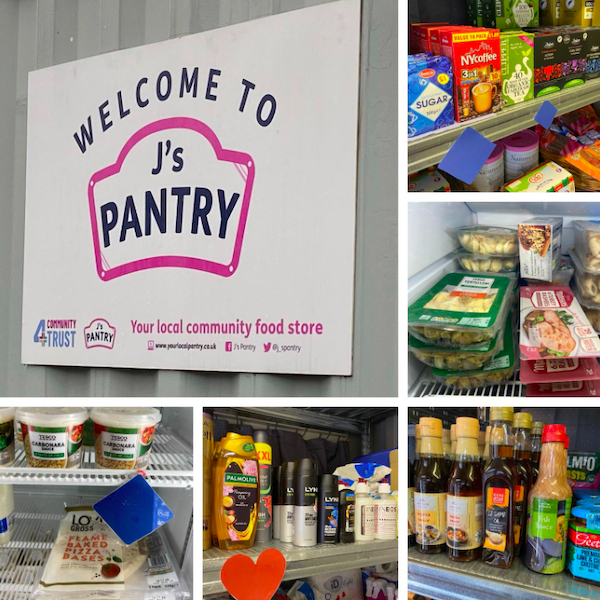
Across the United Kingdom, community pantries have marked a significant achievement by reaching their one millionth visit. These membership-based food clubs are proving instrumental in helping families combat food insecurity and cut costs, preventing them from descending into severe hardship.
The milestone was celebrated by Your Local Pantry, a Christian charity that operates neighborhood food clubs. These pantries offer groceries for a nominal weekly fee while fostering community interaction and participation.
The celebration took place at a community breakfast in Birmingham, known for having the highest number of pantries in the UK.
New survey results, released along with the announcement, highlight the broader social and economic benefits of pantry membership.
The survey, conducted by Your Local Pantry and partner organizations over the second and fourth quarters of 2025, gathered insights from over 14,000 members of these food clubs.
The data suggests that pantries are increasingly reducing the need for food banks and ensuring regular access to healthy food.
Members report better financial stability and less stress concerning food access, according to the findings.
Analysis reveals that pantry users save an average of £27 per visit compared to typical food prices.
Over the past year, this has led to a cumulative saving of £6.9 million for families across the nation who utilize the service.
Among those who previously relied on food banks, 71% have reduced or stopped their use since joining a pantry.
Additionally, 70% of former meal skippers noted a decrease in the frequency of missed meals.
One participant shared that access to a pantry allowed them to eat regular meals without compromising their children’s food intake, a situation they had previously faced.
Beyond financial relief, members reported enhanced wellbeing and social connections.
More than 82% experienced stronger community ties, while nearly all (97%) felt more capable of affording nutritious meals.
Three-quarters of participants increased their consumption of fresh produce, and 83% felt less anxious about food insecurity.
These findings are part of a broader analysis by Feeding Britain, which considers food clubs one of the most promising localized strategies to combat hunger in the UK.
The report advocates for these initiatives to be central to a comprehensive, sustainable approach to reducing food insecurity.
James Henderson, Network Coordinator for Your Local Pantry, remarked that the milestone reflects the “kindness and goodness of all the volunteers, members and supporters across the UK” as well as “the effectiveness of the approach.”
However, he emphasized that such projects should not replace necessary economic reforms.
“But while we press for national change, membership food projects are incredibly transformative,” he added. “Councils, faith groups or anyone else looking to make a difference would struggle to find a better way to support communities.”
Partners like Co-op have highlighted the role of pantries in encouraging local cooperation and shared ownership, while Marie Gilluley, Chair of the Skylight Board in Stockport— where the first pantries were launched in 2013 — praised the network’s growth as a significant achievement stemming from sustained local involvement.
This article was originally written by www.christiantoday.com




