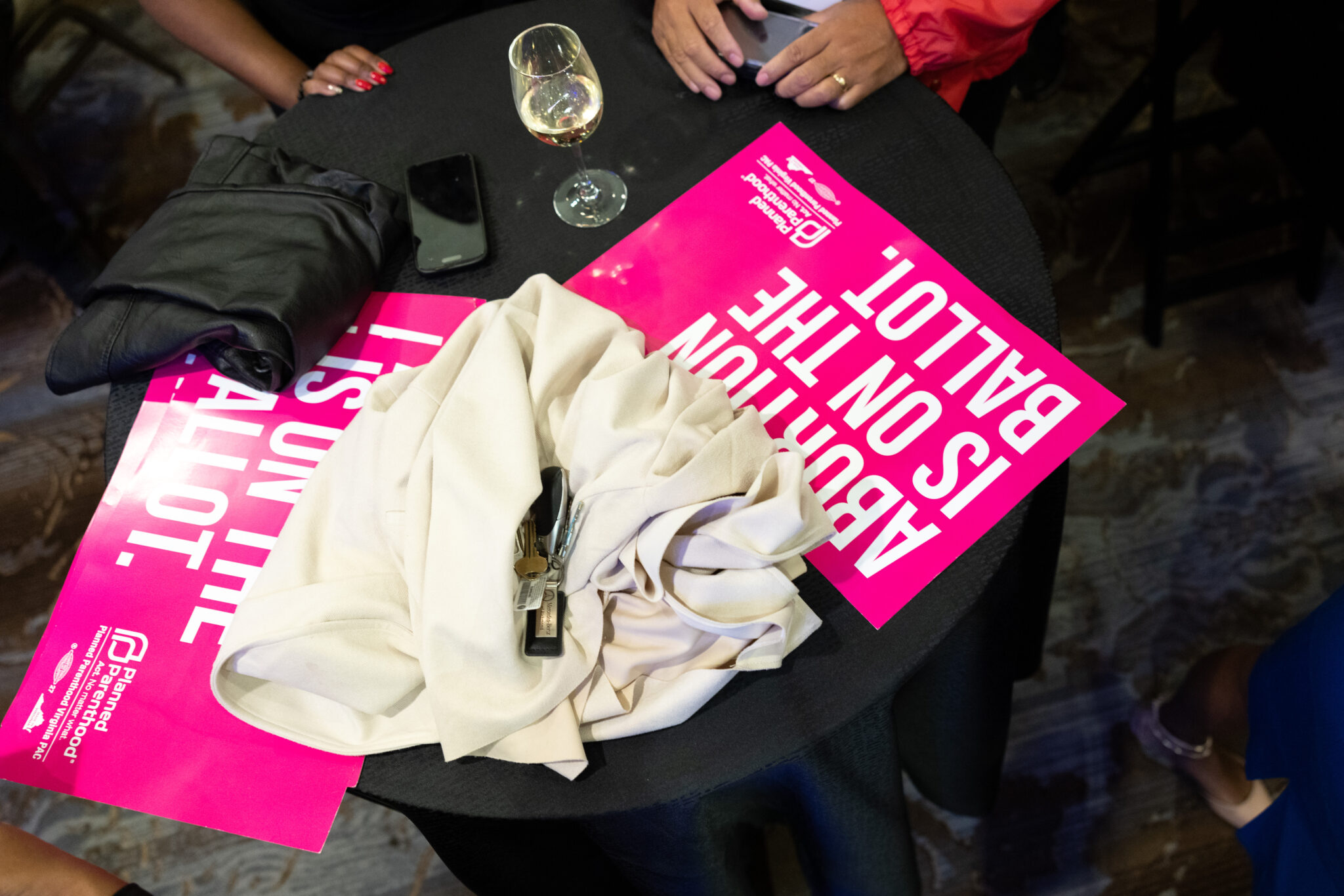
Virginia voters may have cast their ballots on a landmark constitutional amendment to protect reproductive rights — but the legal fight over whether those votes will count is already scheduled to begin. Ten days after Election Day on November 3rd, a court hearing is set that could block the amendment from ever taking effect.
The legal challenge was filed by the Founding Freedoms Law Center back in April, and it targets the process used to place the reproductive rights amendment on Virginia’s ballot — not the substance of the amendment itself. The group is asking a court to issue a preliminary injunction to stop officials from certifying the referendum results, arguing that the way the amendment was advanced was procedurally flawed and that voters were given misleading ballot language.
At stake is a constitutional amendment that would permanently enshrine reproductive rights in Virginia’s constitution — a direct response to the U.S. Supreme Court’s 2022 decision overturning federal abortion protections.
What’s the Legal Argument?
The core of the case rests on a change Virginia made to its own rules for advancing constitutional amendments. Under old state code, the House of Delegates Clerk was required to send copies of any proposed amendment text to every circuit court clerk in Virginia, who would then post it outside their courthouses — a transparency step meant to inform the public. That requirement was repealed this past July, after the amendment had already moved through earlier stages of the approval process.
Founding Freedoms argues the repeal was improper and that the entire amendment process is therefore invalid. The case has been stalled since June, when advocacy group Virginians For Reproductive Freedom successfully petitioned to join as a co-defendant — a move that slowed proceedings.
The state, however, has pushed back firmly on the underlying legal theory. Senior Assistant Attorney General Erin McNeil made the government’s position clear during proceedings in a related case brought by Liberty Counsel — a case that was ultimately dismissed over the summer.
“How can the General Assembly have this authority to prescribe a process but not have the authority to change that process?”
McNeil said in court.
Liberty Counsel is seeking an appeal of that dismissal. Meanwhile, a similar legal argument did succeed in a different context: a Virginia court recently used comparable reasoning in a successful effort to strike down a redistricting referendum that voters had approved this spring. That case, like the Founding Freedoms challenge, was heard in Tazewell by Judge Jack Hurley — the same judge who will hear the November 13th arguments.
More Than One Amendment Under Fire
The Founding Freedoms Law Center isn’t stopping with reproductive rights. The group has now filed a second challenge, this one targeting a separate ballot referendum that would protect same-sex marriages in Virginia’s constitution. That case was brought on behalf of Rev. Ben Purves, a Prince William County pastor, and rests on the same procedural objections raised in the reproductive rights challenge.
The marriage equality amendment was put before voters partly because of concerns raised after the Supreme Court’s abortion ruling. Justice Clarence Thomas signaled openness to revisiting the 2015 ruling that made same-sex marriage a nationwide right, which prompted Virginia lawmakers to seek additional state-level protections.
Rev. Purves also co-signed a joint letter with 400 other Virginia pastors opposing both constitutional amendments.
Founding Freedoms lawyer Josh Hetzler framed the challenge in stark terms:
“Not only would this proposed abortion amendment be a disaster for policy reasons, but it would undermine trust in our democratic processes because of the flawed and deceptive means by which it will have passed. We cannot allow that to happen.”
Notably, the group is not challenging a third amendment on the same ballot. Ballot Question Three asks whether voting rights should automatically be restored for people with felony convictions after they’ve completed their prison sentences. The amendment advanced through the same process as the two being challenged — but Founding Freedoms has no objection to it.
“We’re not personally concerned about the restoration-of-rights amendment,”
Hetzler said.
“We don’t have a position on that.”
For Virginia voters, the upcoming hearing raises a fundamental question about democratic participation: when citizens go to the polls and vote on a constitutional amendment, how much procedural uncertainty should stand between their decision and its legal effect? The answers are now in the hands of the courts — and a ruling could come quickly after November 13th.