Efforts to Broker Peace in the Middle East Continue as Tensions Flare
As the Middle East remains engulfed in a nearly seven-week-long conflict, Pakistan steps into the spotlight as a mediator in hopes of fostering peace. A delegation from Pakistan has arrived in Tehran, initiating talks with Iranian officials, with the United States and Iran both expected to participate in a second round of peace negotiations.
The talks come amid a fragile two-week ceasefire in Lebanon, with Pakistan asserting that maintaining peace in Lebanon is crucial for broader discussions. “Peace in Lebanon is essential for peace talks,” emphasized Tahir Andrabi, spokesperson for Pakistan’s foreign ministry, in a statement to Reuters. Despite this, Israeli operations continue in southern Lebanon, with recent airstrikes destroying vital infrastructure like the last bridge connecting southern Lebanon to the rest of the nation.
High-Stakes Diplomacy and Ongoing Conflicts
In an unexpected development, Israeli Prime Minister Benjamin Netanyahu is reportedly set to speak with Lebanon’s President Joseph Aoun, marking the first direct dialogue between the two nations in over three decades. However, Lebanon’s presidency claimed to have no knowledge of such talks, adding to the uncertainty surrounding the peace efforts.
Meanwhile, Pakistan’s army chief, Asim Munir, is playing a pivotal role in the negotiations between the U.S. and Iran, underscoring Pakistan’s influential position in these diplomatic efforts. White House press secretary Karoline Leavitt noted the importance of Pakistan’s mediation, stating that they are “the only mediator in this negotiation.”
Yet, significant hurdles remain. Vice President JD Vance pointed out a major stumbling block: Iran’s unwillingness to abandon its nuclear ambitions. “The simple fact is that we need to see an affirmative commitment that they will not seek a nuclear weapon,” Vance stated.
Complications with Iran and Regional Security
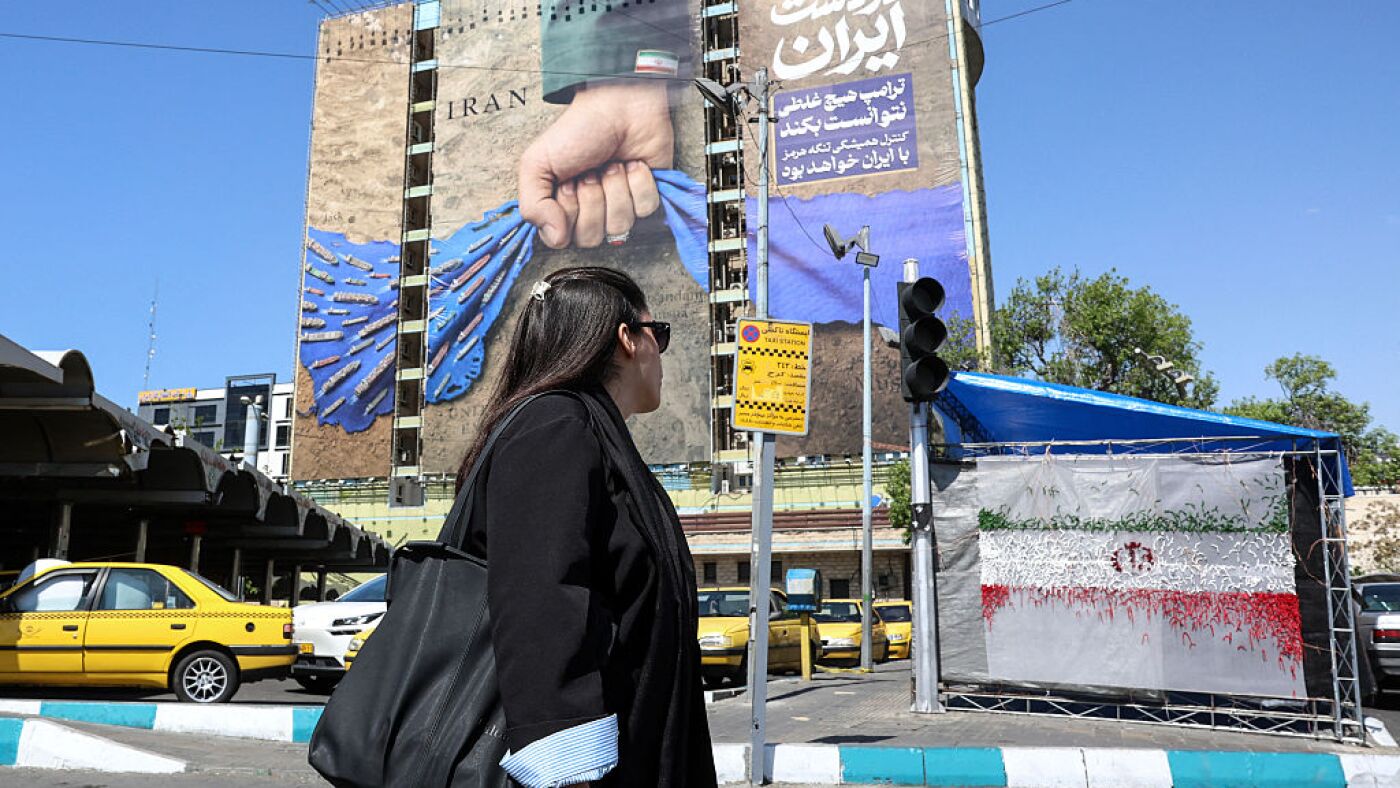
Iran’s demands include the cessation of Israeli attacks on Hezbollah, the release of $6 billion in frozen assets, and assurances regarding its nuclear program. Furthermore, Iran insists on the right to charge ships traversing the Strait of Hormuz, a vital shipping channel.
Adding to the tension, Iran’s military has threatened to block key shipping routes if the U.S. continues its blockade of the Strait of Hormuz. Major-General Ali Abdol-lahi highlighted the potential for disruption in the Persian Gulf, Gulf of Oman, and Red Sea. The situation remains volatile, with Iranian-aligned Houthi militias controlling strategic areas like the Bab al Mandeb strait.
As diplomacy continues, Iran’s rhetoric has intensified, with Mohsen Rezaee, a former commander of Iran’s Revolutionary Guard Corps, expressing opposition to a ceasefire. He warned of Iran’s preparedness for an extended conflict, underscoring the challenges in reaching a peaceful resolution.
This article was originally written by www.npr.org