Escalation in the Strait of Hormuz: U.S. Forces Target Iranian Tankers
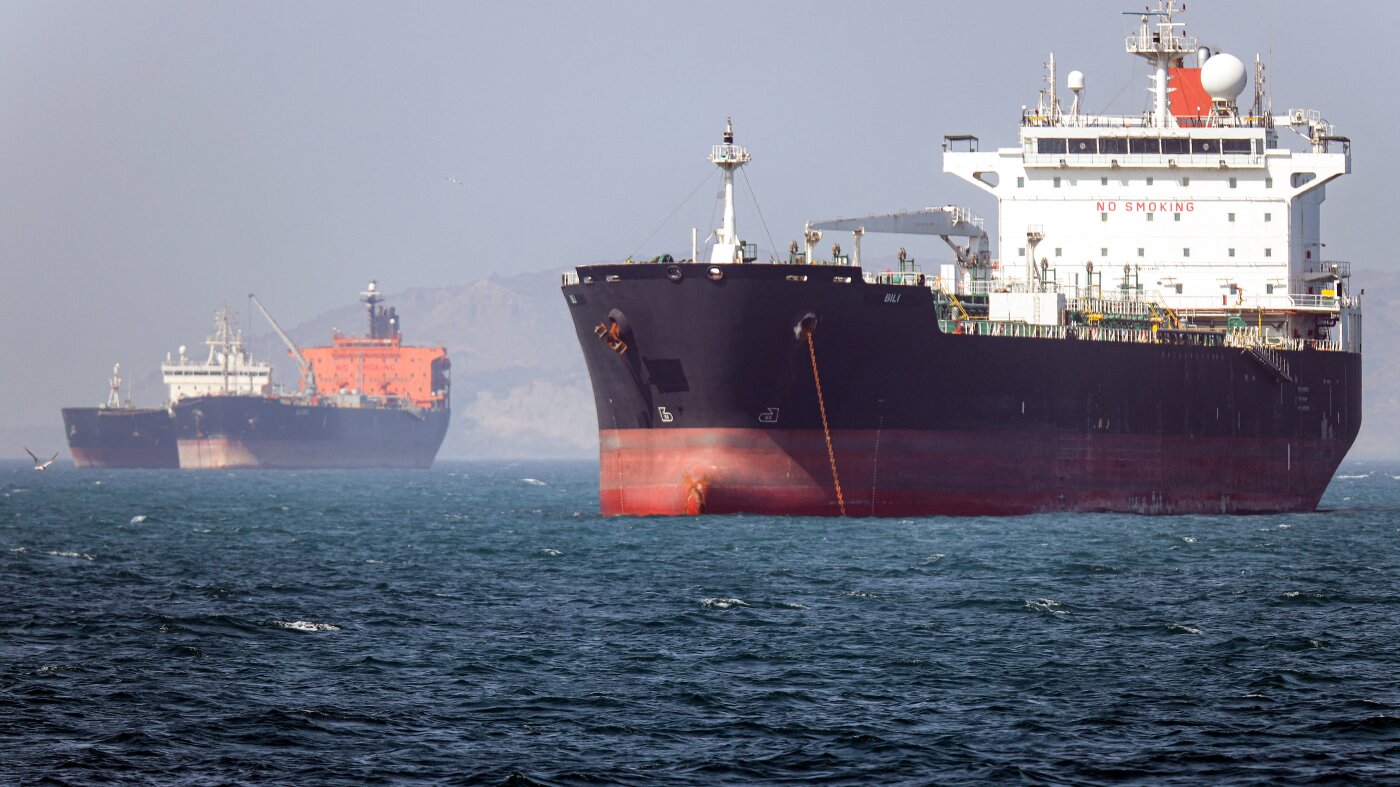
In a significant escalation of tensions, the United States military engaged Iranian forces in the strategic Strait of Hormuz, targeting and disabling two oil tankers. This incident, coupled with reports of missile and drone attacks by Iran, has further strained the already fragile ceasefire in the region.
The United Arab Emirates confirmed that its defense systems intercepted several Iranian-launched ballistic missiles and drones, resulting in injuries to three individuals. The situation underscores the precarious nature of the month-old ceasefire, which the U.S. maintains is still in effect, pending a response from Iran to its latest diplomatic proposal.
U.S. Secretary of State Marco Rubio expressed hope for a “serious offer” from Iran, as the international community watches closely for developments that could either stabilize or escalate the ongoing conflict.
The U.S. Military’s Strategic Moves
According to U.S. military sources, the decision to disable the Iranian tankers was made after they attempted to breach an American blockade. This action followed an earlier confrontation where U.S. forces repelled attacks on three Navy ships and targeted Iranian military assets in the area.
Iran’s response was swift, with its Foreign Ministry condemning what it termed “hostile” U.S. actions, claiming they violated the ceasefire. Iranian Foreign Minister Abbas Araghchi criticized the U.S. for opting for military responses over diplomatic resolutions.
Oil Spills and Environmental Concerns
Satellite imagery from the Associated Press revealed an oil slick near Iran’s Kharg Island, a critical crude export terminal. The spill, covering approximately 95 square kilometers, poses potential risks to the Gulf’s marine ecosystems. Experts warn that if the slick continues its southward drift, it could threaten sensitive environmental areas.
The Pentagon has not commented on whether the spill is linked to recent U.S. military actions, with imagery indicating the spill preceded the latest round of strikes.
Iran’s Control Over the Strait Raises Global Concerns
Recent reports from Lloyd’s List Intelligence indicate that Iran has established the Persian Gulf Strait Authority to oversee and tax vessels passing through the strait. This move has sparked international apprehension, with many questioning Iran’s expanding control over this crucial maritime channel.
Rubio stated it’s “unacceptable” for Iran to manage an international waterway in this manner, urging the global community to address the situation. The strait’s closure has significant implications for global oil and gas shipments, with numerous vessels stranded in the Persian Gulf.
In related developments, a Chinese-crewed oil tanker was attacked near the strait, though no casualties were reported. Meanwhile, South Korea continues to receive crude shipments, with a recent tanker arriving with 1 million barrels of oil, highlighting the ongoing challenges in navigating the geopolitical landscape of the region.
This article was originally written by www.npr.org