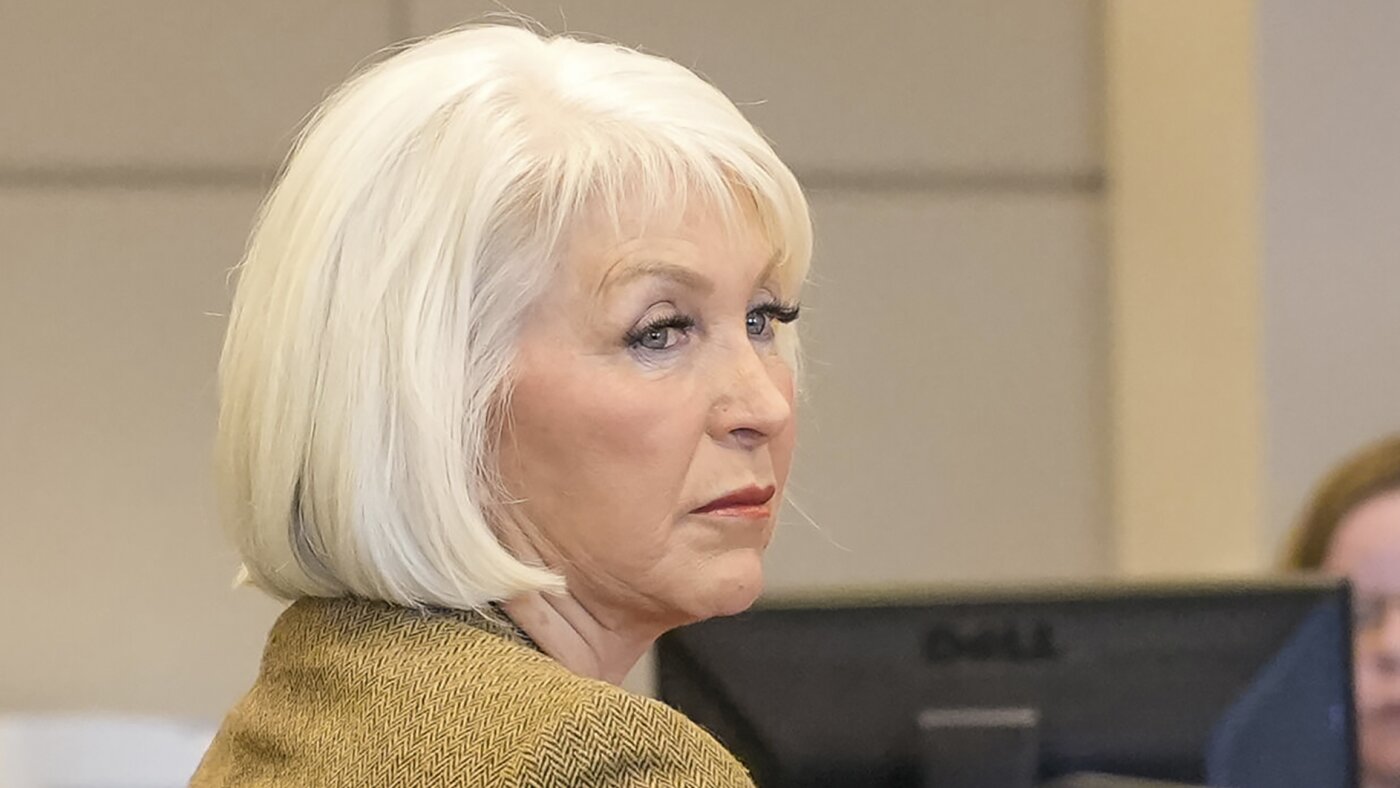
Controversial Clemency Decision for Former Colorado Clerk Tina Peters
A significant decision by Colorado’s Governor Jared Polis has stirred political debate and public attention. The governor has reduced the prison sentence of Tina Peters, a former county clerk involved in election equipment tampering, making her eligible for parole by early June.
The reduction follows pressure from former President Trump and his administration, who have advocated for Peters’ release. Despite the appeals court upholding her conviction, they mandated a re-sentencing due to improper considerations of her speech rights by the original judge.
Tina Peters was found guilty of facilitating a breach of Mesa County’s voting systems post-2020 election, aligning her actions with Trump’s unfounded allegations of election fraud. Her legal outcomes stand out, especially as attempts to hold Trump and associates accountable for similar actions have largely faltered.
The trial judge, Matthew Barrett, criticized Peters for her continued promotion of false election claims, labeling her as self-serving and attention-seeking. “You are no hero,” he declared, describing her actions as “snake oil.”
Governor Polis, however, commuted her nearly nine-year sentence to four and a half years, citing concerns over free speech being a factor in her original sentencing. He emphasized, “It’s about doing what’s right,” regardless of personal agreement with Peters’ views.
Polis, nearing the end of his term, insists the decision is not influenced by Trump’s previous symbolic pardon for Peters, as presidential powers do not extend to state convictions. He also pledged to oppose any unlawful pardon attempts by Trump.
Political Pressure on Polis
Initially, Polis resisted federal pressure to assist Peters. In response to suggestions that federal funding could be withheld from Colorado, his office maintained that decisions on clemency would be based solely on individual merit.
However, by January, Polis expressed reservations about the severity of Peters’ sentence compared to similar, non-violent, first-time offenses. This perspective was shared publicly and on social media.
Polis, reviewing numerous clemency applications, stated his desire to extend mercy and offer second chances in his final year as governor. Peters, in her clemency application, admitted to errors and committed to lawful conduct henceforth, though she remains steadfast in her beliefs.
Despite this, Colorado Democrats and election officials argue that reducing Peters’ sentence could be perceived as yielding to Trump, potentially fueling further political attacks on the state.
Democratic state Rep. Kyle Brown and other officials, such as Attorney General Phil Weiser and Sen. Michael Bennet, have voiced opposition to clemency, stressing the importance of accountability for Peters’ actions.
Election clerks, like Jenny Thomas of Routt County, have expressed concern that leniency towards Peters undermines the challenges faced by election officials, reinforcing the need for justice in upholding Colorado law.
Peters’ legal defense argues she has been unfairly targeted, asserting her pride in her actions and labeling her as a patriot rather than a criminal.
This article was originally written by www.npr.org