Irene Lancaster, a Jewish academic and Hebrew scholar, provides insights into the Jewish context of the book of Numbers.
‘In the Desert’ – A Unique Setting
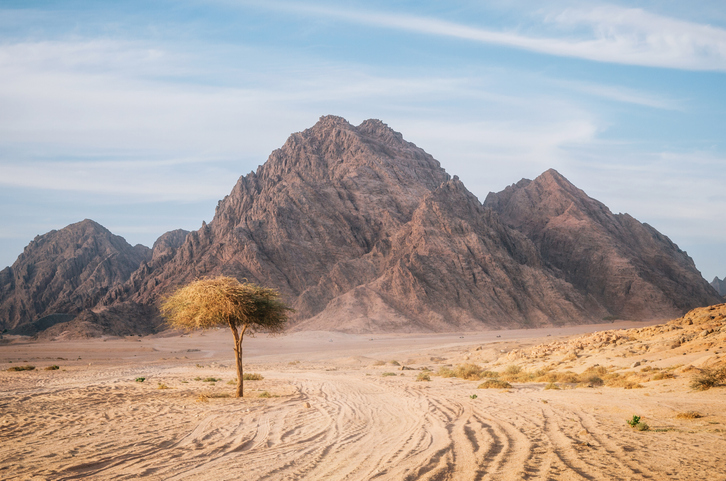
Known in Hebrew as ‘BaMidbar,’ the fourth book of the Bible, called ‘Numbers’ in English, begins with the words: ‘And the Lord spoke to Moses in the Sinai desert’ (Numbers 1:1). The desert, an ownerless and barren place, serves as the ideal setting for receiving divine teaching, as it symbolizes openness and freedom from material distractions, according to Jewish tradition.
The Torah’s delivery in such an environment underscores its accessibility to all, as opposed to being claimed by any individual or group. The desert’s lack of possessions allows one to focus entirely on the teachings of the Torah.
Timing with Shavuot
This biblical book is traditionally read just before Shavuot, the festival commemorating the giving of the Torah at Mount Sinai, which is located in the same desert. During Shavuot, the Book of Ruth is also read, highlighting themes of famine, destitution, and ultimately redemption, leading to the birth of the Messiah.
Jeremiah’s words on true repentance, ‘I remember the loving kindness of your youth, your love as a bride, your following after me in the desert, in a land unsown’ (Jeremiah 2:2), resonate with these themes.
Haftorah Readings
Two Haftorah readings can accompany the opening of this book. One is from the prophet Hosea (2:1-22), contrasting the barren desert with the promise that ‘The number of the children of Israel shall be as the sand of the seashore, which can be neither measured nor counted.’ Hosea initially admonishes but then promises eternal betrothal with righteousness and mercy.
When Shabbat coincides with the day before the New Moon, a special Haftorah from 1 Samuel (20:18-42) is read. It narrates the deep friendship between Jonathan and David, symbolizing the covenant between G-d and His people.
The Importance of Repentance
This narrative of friendship parallels the divine covenant, emphasizing the significance of repentance and reconciliation in Judaism. Just as G-d renews His covenant with humanity, individuals are encouraged to foster similar relationships with others.
Remembering Liberation and Trials
The festival of Shavuot occurs 49 days after Pesach, marking the liberation from slavery. The desert experience, lasting 40 years, culminates in receiving the Torah at Mount Sinai on the 6th day of Sivan. This event is a reminder of the journey from slavery to freedom and the ongoing commitment to live by the teachings of the Torah.
This article was originally written by www.christiantoday.com