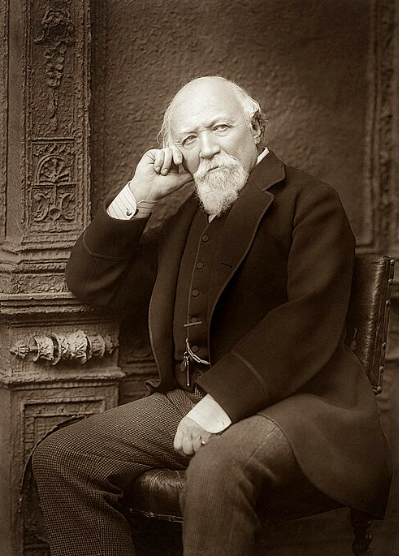
In a captivating conversation, Hebrew scholar Irene Lancaster and former Archbishop of Canterbury, Lord Rowan Williams, delve into the religious themes and Jewish connections in Robert Browning’s poetry. Their analysis sheds light on Browning’s nuanced approach to religious questions and his empathy towards Judaism.
Exploring Browning’s ‘Holy-Cross Day’
Rowan: The poem ‘Holy-Cross Day’ (1855) stands out for its critique of the forced conversion sermons Jews in Rome endured. Browning’s portrayal of the Jewish audience subtly mocking this coercion speaks volumes. The piece within the poem, attributed to ‘Rabbi Ben Ezra’, emphasizes the enduring Jewish hope and identity, not Christian triumphalism as some may misinterpret.
Browning’s Empathy with Judaism
Rowan highlights Browning’s depiction of a thought experiment within the poem, questioning potential Jewish misrecognition of Jesus as the Messiah. Yet, Browning’s message is clear: perpetual persecution cannot be divinely justified. Instead, God sides with the persecuted, supporting the Jewish journey home.
Parallels with ‘Rabbi Ben Ezra’
Browning’s ‘Rabbi Ben Ezra’ (1864) echoes similar themes, challenging notions of spiritual finality. Both poems assert the ongoing spiritual journey, emphasizing that true understanding lies in recognizing God’s active presence, not exploiting it.
Insights from Irene Lancaster
Irene: My research on Abraham ibn Ezra, a figure central to Browning’s work, opened new perspectives. Browning’s understanding of Judaism, through his poetry, aligns with my findings on Ibn Ezra. Browning captures the philosophical depth and sensitivity to Jewish life in his writings.
Jewish Wisdom in Browning’s Work
Exploring ‘Ben Karshook’s Wisdom’, Rowan and Irene discuss Browning’s reflection of Jewish teachings. The poem illustrates timeless Jewish themes of repentance and the soul’s immortality, resonating with the teachings of Rabbi Eliezer Hyrcanus.
Connecting to Jewish Tradition
Irene: Browning’s work, like ‘Pisgah-Sights’, draws from Jewish tradition and Mosaic Judaism, emphasizing human limitation and divine connection. His perspective mirrors Ibn Ezra’s, focusing on literal interpretation and historical context.
Browning’s Legacy and Influence
Rowan and Irene conclude by recognizing Browning’s significant contribution to understanding Judaism through his poetry. His works, alongside those of contemporary writers like George Eliot, offer profound insights into Jewish culture and religious thought.
This article was originally written by www.christiantoday.com