Upcoming U.S.-China Summit Faces Logistical Hurdles
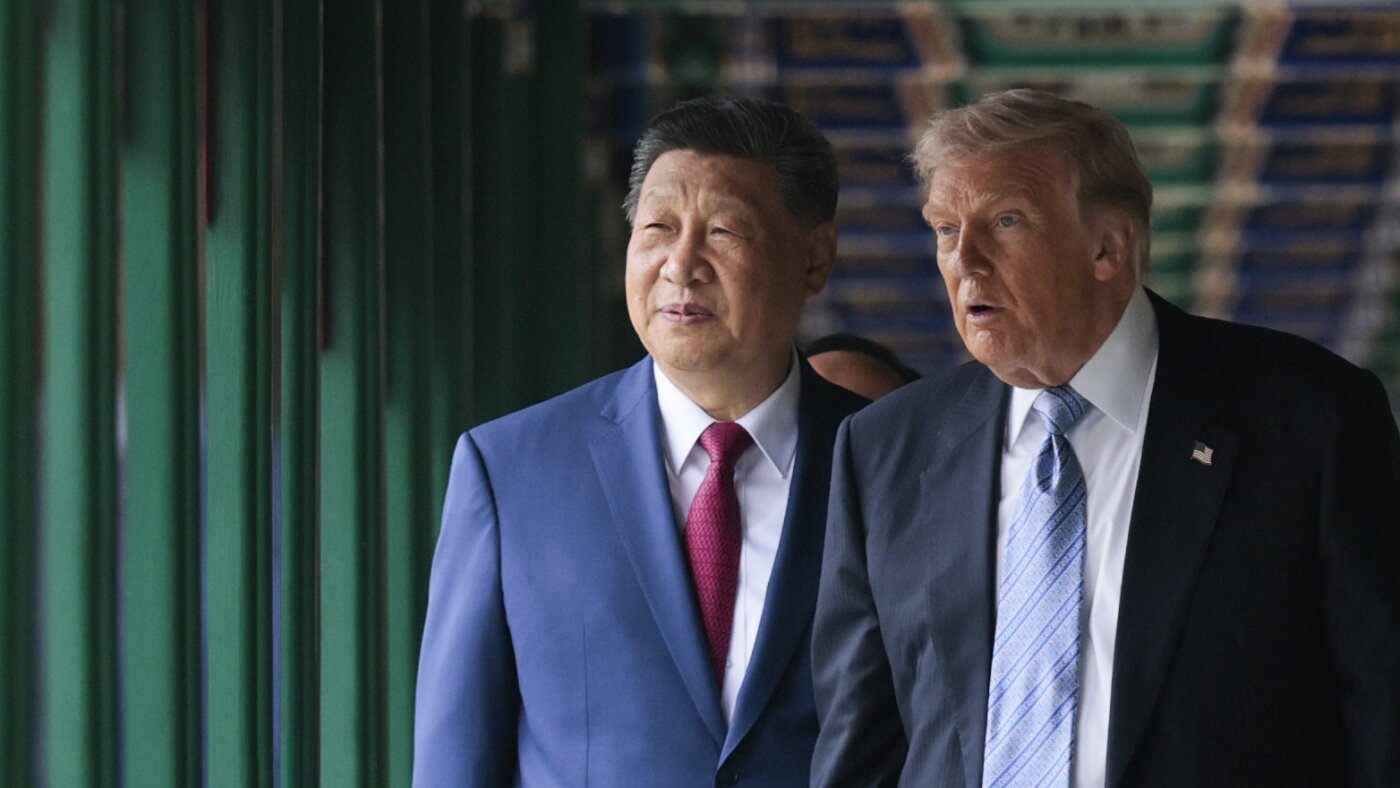
WASHINGTON D.C. – As the clock ticks down to a pivotal summit between the United States and China, unresolved logistical issues are complicating preparations for discussions on trade, technology, and business deals. The meeting, set to occur in just seven days, finds the two nations grappling with finalizing key details.
According to several U.S. officials, interagency efforts to craft briefing materials and talking points for President Trump remain incomplete, creating a bottleneck in planning. Additionally, uncertainty over seating arrangements at the state dinner is affecting the Chinese delegation’s ability to decide which tech executives will accompany President Xi Jinping.
Interviews with 10 current and former U.S. officials, as well as three individuals involved in organizing the meeting, reveal these challenges. The sources requested anonymity due to the sensitive nature of the information. The White House has not issued a public statement regarding these concerns.
Despite these uncertainties, China is optimistic about the summit’s potential. Randall Shriver, former assistant secretary of defense for Indo-Pacific Security Affairs, remarked, “The Chinese are very enthusiastic about this summit because I think it’s a way for them to manage the U.S.” (source).
However, private dialogues with Chinese officials reveal apprehension regarding the U.S.’s last-minute approach to finalizing the agenda and protocol details. Julian Gewirtz, a historian at Columbia School of Public and International Affairs, explained that every aspect of the summit, from meal arrangements to seating positions, is of significant importance to Beijing.
“Perfect Reciprocity”
The Trump administration’s tendency for ad hoc negotiation has perplexed their Chinese counterparts. During a visit to Washington by Vice Foreign Minister Ma Zhaoxu, a series of logistical questions posed by Beijing remained unanswered, awaiting White House confirmation.
While planning efforts have intensified, they still lag behind schedules of past state visits. This delay is partly attributed to conflicting priorities among U.S. government agencies.
In maintaining “perfect reciprocity,” the U.S. has ensured that President Xi’s programming and access will not exceed what President Trump experienced during his visit to Beijing in May. Consequently, an early proposal for Xi to speak at an American university was dropped, as Trump was not afforded a similar opportunity in China.
Calls for U.S.-China cooperation in establishing AI development guidelines have prompted the White House to encourage Chinese entrepreneurial participation. However, China’s indecision on which executives to bring stems from both U.S. planning uncertainties and Xi’s usual travel practices.
A state dinner is planned with about 100 seats available, according to President Trump. China has requested more than half of these seats to accommodate potential business leaders, leading to pushback from the White House. The Trump administration has not clarified the potential meetings for Chinese business executives in Washington, adding to China’s indecision.
Key Issues
Central to the discussions is the looming expiration of moratoriums on Chinese export controls on rare earth products and American export controls on advanced semiconductor chips, both vital to China’s AI ambitions. These moratoriums are set to expire on November 10.
Accusations of non-compliance have arisen from both sides. The U.S. has criticized China’s total rare earths export ban on Japan, impacting U.S. suppliers, while American companies face challenges obtaining rare earth licenses for specialized magnets. China’s commerce ministry’s sanctioning of the Responsible Business Alliance has further strained relations.
Additionally, China’s phosphate export ban—citing shortages from the Iran war—has affected American companies. Tensions are further underscored by U.S. Treasury Secretary Scott Bessent’s comments on Fox News regarding China’s detrimental measures against U.S. businesses.
Commitments made during Trump’s visit to China, such as Beijing’s agreement to purchase more Boeing planes, face obstacles due to U.S. reluctance to sell replacement parts for Boeing and China’s C919 airliner. The Federal Communications Commission’s recent restrictions on Chinese imports have also drawn criticism from Beijing.
China previously offered to extend the rare earths moratorium to the end of Trump’s term, but the U.S. opted for a shorter extension, hoping to negotiate a better agreement in the future.
Chinese Optimism
Despite these challenges, Chinese diplomats remain optimistic about the summit’s outcomes. Beijing is hopeful that Trump will attend the Asia-Pacific Economic Cooperation meetings in Shenzhen this November, indicating a desire to maintain diplomatic momentum.
China’s main objective is not to secure specific policy commitments but to foster a “constructive relationship of strategic stability.” During a recent meeting, Liu Haixing, a senior Communist Party official, noted the positive steps taken to strengthen communication between the two nations.