Legal Scrutiny Intensifies Over East Potomac Park Renovations
In the heart of Washington, D.C., East Potomac Park has become the center of a legal storm as federal judges question the transparency of the Trump administration’s plans to transform the municipal golf course into a championship-level venue. The court’s inquiry, led by District Judge Ana Reyes, sheds light on the intersection of politics and land use, stirring both local and national interest.
Judge Reyes commenced a formal investigation into potential misconduct by Trump administration officials during the lawsuit concerning East Potomac Park. The focus is on whether these officials repeatedly misrepresented plans for the golf course’s renovation. This inquiry follows a written acknowledgment by government lawyers that a plan exists to upgrade the municipal course, leading to its closure in mid-November.
Previously, Justice Department attorneys had asserted in court that no final decision had been made, despite President Trump’s social media declarations to the contrary. This abrupt confirmation led Judge Reyes to summon both parties back to court, days after she had halted tree-clearing and renovations at the park.
During the recent hearing, Reyes cited the D.C. Bar Rule of Professional Conduct 3.3, reminding lawyers of their duty not to mislead the court. Associate Attorney General Stanley Woodward Jr., leading the government’s defense, stated he was unaware of any falsehoods, citing the complexity of the case records.
Reyes scrutinized Woodward over the timing and status of the renovation plans, questioning prior claims of unawareness regarding the park’s closure. The government’s acknowledgment of the park’s impending closure for renovations and seawall repairs, along with the submission of these plans to the National Capital Planning Commission, was a pivotal moment in the legal proceedings.
Under intense questioning, Woodward revealed that the submission had been in preparation for several weeks, yet was never mentioned in previous lengthy hearings. Judge Reyes expressed disbelief that planning occurred without disclosure during ongoing litigation.
Reyes announced she would open a formal inquiry into potential misrepresentations by agency officials, suggesting the appointment of a special master with “full investigatory powers.” If the government challenges this, Reyes indicated she would conduct the inquiry herself.
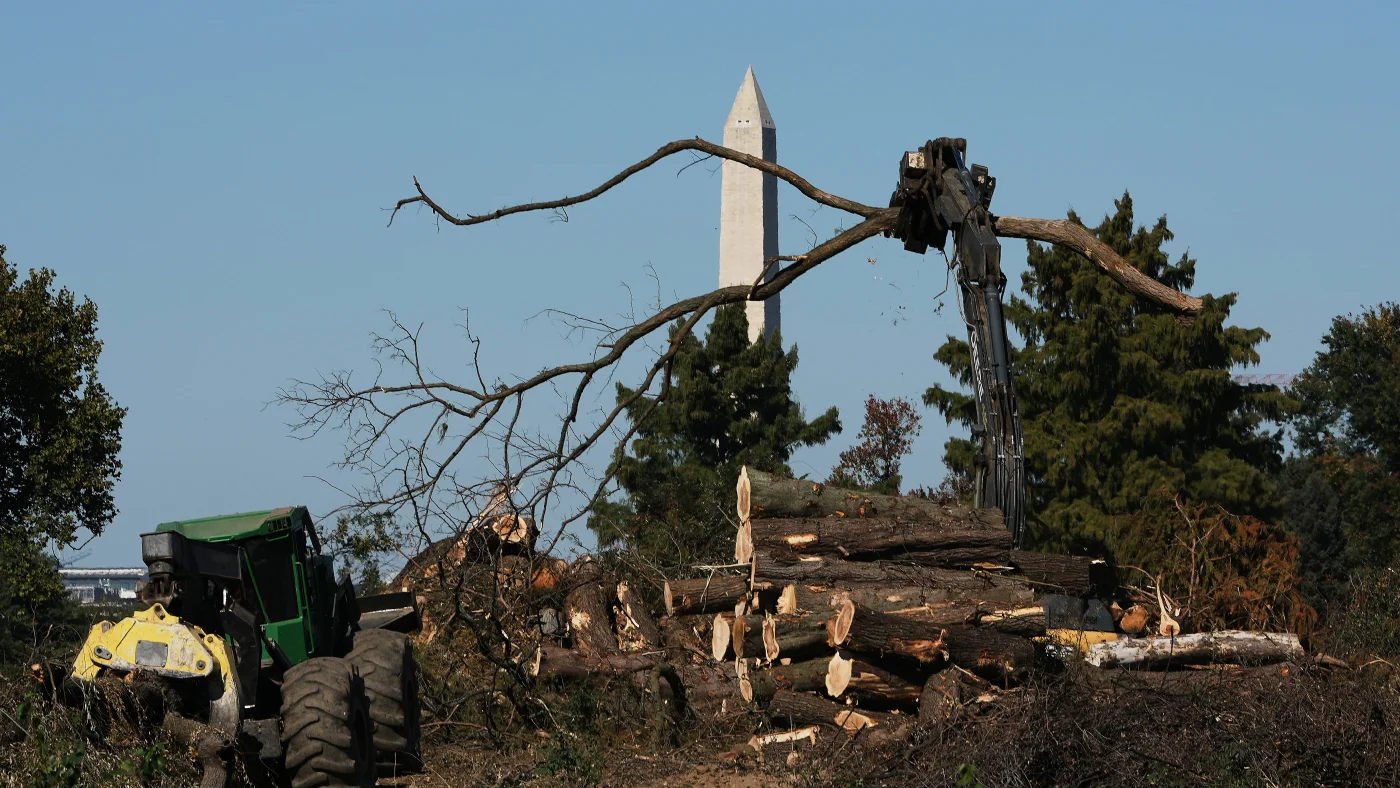
The legal dispute intensified earlier this month when the Trump administration cut down hundreds of trees with little notice, actions Reyes described as a pretext for unauthorized renovations. The court has ordered the preservation of all relevant documents, emphasizing the need for an inquiry without losing evidence.
Judge Extends Ban and Questions Seawall Safety Claims
Judge Reyes extended her ban on further tree removal, mandating a 10-day notice before any park modifications. Her 70-page opinion argued the case is about more than just golf, emphasizing the rare instance of the Justice Department urging disbelief in a sitting president.
Following the ruling, Trump reiterated his renovation plans on social media, asserting Reyes lacks authority to delay the project.
Government lawyers confirmed plans to submit a proposal for a championship golf course, designed by Tom Fazio, to the National Capital Planning Commission. This plan includes closing East Potomac Park south of Buckeye Drive, aligning with presidential directives.
As part of a new lease agreement, the National Links Trust will cease operations at East Potomac by mid-November, although the entire park will close for broader seawall repairs.
Judge Reyes questioned the alleged safety risks of the deteriorating seawall, noting previous silence on the matter during litigation. The administration asserts the closure is necessary due to the seawall’s condition, posing hazards to public safety.
Jessica Bowron, acting director of the National Park Service, detailed the seawall’s compromised state, citing its impact on the park’s infrastructure and environment.
Woodward estimated seawall repairs could cost $150 to $400 million but did not clarify the total cost of the golf course renovations.
Rep. Jared Huffman urged Congress to prevent federal funding for the project, arguing against taxpayer money subsidizing a luxury golf course for exclusive use.
East Potomac’s designation as a public park dates back to 1897, with its intended use for public recreation, a status locals fear could be altered with the golf course redevelopment.