Controversial Policy on Migrant Pregnant Youth Sparks Debate Over Care and Location
Amid ongoing debates about immigration policies, the Trump administration continues to face criticism for detaining pregnant migrant youth in a Texas region with insufficient specialized medical care. This practice has persisted despite concerns from various government officials and Congress members, as revealed by investigations from The Texas Newsroom and The California Newsroom.
Since July 2025, 21 pregnant minors have been placed in the San Benito area, with four requiring out-of-state transfers for specialized medical treatments unavailable in Texas, including at least one abortion. Jen Smyers, a former overseer at the Office of Refugee Resettlement (ORR), criticized the administration, stating, “The first time that happened should have been a wake-up call for the administration, and they should have stopped placing kids in any remote area where they can’t get care.”
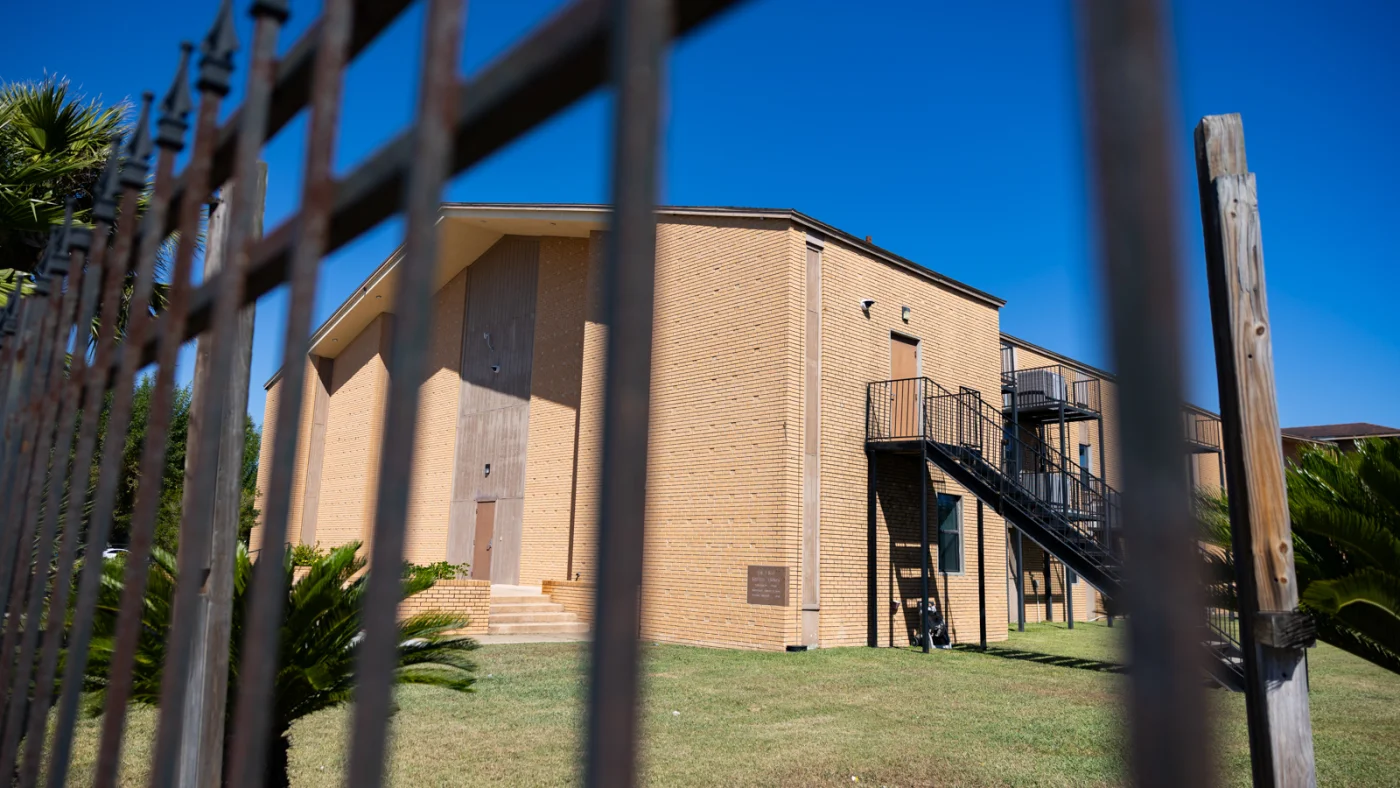
Earlier investigations exposed the administration’s policy of detaining young pregnant minors, some as young as 13 and victims of rape, at a single facility near the Texas-Mexico border. Despite health experts’ warnings about the risks of adolescent pregnancies and the lack of adequate healthcare in the area, the administration denies the existence of such a policy, claiming to ensure necessary care for these girls.
Internal documents and interviews with government officials, however, suggest otherwise. Records obtained through public requests show ORR’s explicit directive in July 2025 to place all pregnant youth in San Benito. Recent reports indicate a shift in location to a nearby shelter, though the administration denies any operational changes.
Forty-eight Democratic Congress members have demanded transparency, with Rep. Joaquin Castro noting the administration’s lack of honesty: “Obviously, they’re not being honest about their policy.” He criticized the delayed responses to inquiries and the administration’s failure to address the needs of vulnerable youths.
As the administration increases the number of unaccompanied minors detained in Texas, advocates argue that the state is ill-prepared for the influx. Rep. Judy Chu questioned the rationale behind sending pregnant minors to a state lacking necessary medical services, stating, “If there is a 13-year-old girl who has survived rape, she should be met with compassion, safety, and appropriate medical care.”
Challenges in Healthcare Access for Detained Minors
Federal regulations require comprehensive healthcare for detained unaccompanied minors, yet records reveal gaps in service. Between July 2025 and May 2026, four pregnant minors were transferred out of Texas for medical care, highlighting regional healthcare deficiencies. In one case, a 12-year-old was moved from Texas to New York due to limited specialist availability.
Internal communications from ORR acknowledge these challenges. Joanna Gaines, acting health director at the time, warned about Texas’ high maternal mortality rates and lack of quality perinatal care. Despite these warnings, ORR’s directive to send pregnant children to San Benito was issued shortly after.
Pediatrician Tracey Wilkinson emphasized the risks of delayed medical responses, explaining that prompt care is crucial in emergencies. She stated, “When you’re talking about labor or pregnancy complications, every minute counts.”
Political and Legal Implications
The administration’s policy has sparked political and legal debates. California representatives and advocates argue that the state offers better support for pregnant minors compared to Texas, where abortion access is severely restricted. Federal regulations mandate moving minors requesting abortions to states where it’s legal, though proposed changes could alter this requirement.
Assistant Secretary Alex J. Adams responded to congressional inquiries by asserting that placement decisions are individualized and consider various needs. However, discrepancies remain between official statements and documented practices, leaving many questions unanswered.
For more insights into this ongoing issue, visit the full articles from The California Newsroom and The Texas Newsroom.
This article was originally written by www.npr.org