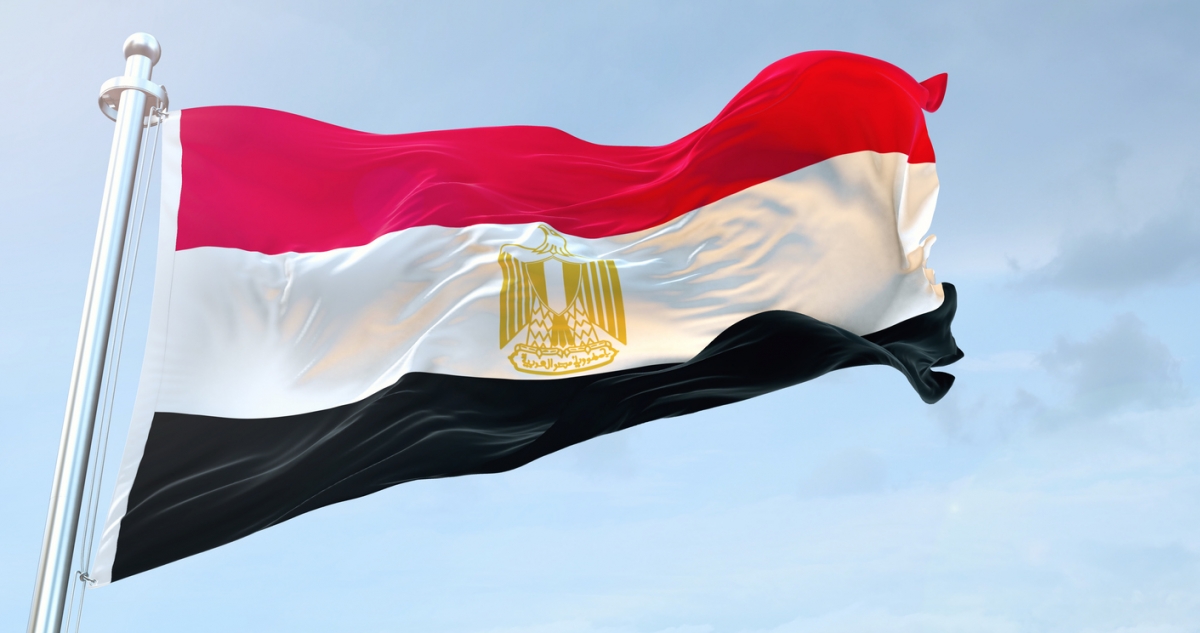
In a case that has sparked international debate over religious freedoms in Egypt, six young Christians were recently arrested for a TikTok video. The video, which imitated a scene from a well-known comedy film, was deemed insulting to Islam by authorities.
The Egyptian Initiative for Personal Rights (EIPR) announced that the group, aged between 17 and 23, were released after initial detention, pending further legal procedures.
Alliance Defending Freedom (ADF) International, a Christian legal advocacy group, explained that the video parodied a scene from the 2018 Egyptian comedy film Khalawis, where prisoners awkwardly attempt Islamic prayers. The film itself had been widely accepted and broadcasted in Egypt.
Released on October 4, the video quickly faced backlash online, with threats aimed at the young men and their families. Following these events, residents of their Minya Governorate village alerted authorities, accusing the group of disrespecting Islam.
To mitigate escalating tensions, families and church representatives turned five of the youths over to the police on October 6, under the impression they’d be freed after the situation quelled. However, the case escalated to the Supreme State Security Prosecution, where charges of religious insult and promoting extremist ideas were considered.
Initially detained for four days from October 10, a judge later extended their detention by 15 days. This move drew criticism from Kelsey Zorzi, ADF’s Senior Counsel and Vice President of International Advocacy, who stated: “These young men did nothing but share a lighthearted video with a voiceover from a popular and uncontroversial film, as many others on the platform have done. There is no reason to charge or imprison them.”
EIPR questioned the legal actions taken against these young men, especially since similar parodies have circulated online without repercussions. The original film had official approval and continues to air on television, raising questions about the unique treatment of this particular case.
The situation highlights ongoing concerns regarding Egypt’s record on religious freedom. Although the national constitution’s Article 64 guarantees freedom of belief, issues such as laws against blasphemy and discrimination against religious minorities persist.
During a UN Human Rights Council review in January 2025, critiques were raised about the limitations faced by religious minorities in Egypt, including restrictions on worship, blasphemy prosecutions, and attacks on minority groups.
ADF International has documented other cases of Christians facing legal challenges over online content. Notably, Christian YouTuber Augustinos Samaan was sentenced to five years of hard labor for his religious videos, and Abdulbaqi Saeed Abdo was detained for over three years for discussing his beliefs on Facebook.
Zorzi emphasized: “Christian persecution has been a persistent problem in Egypt for many years. We have seen countless cases of individuals who are targeted and punished for nothing more than expressing their beliefs. Egypt must take action to address this crisis and protect freedom of speech and religious freedom for all.” She further urged for the immediate release of the six young men and for any investigations against them to be dropped.
This article was originally written by www.christiantoday.com