The Ongoing Struggle for Free Speech: Christian Preachers and the Law
Christian street preachers in the UK find themselves at the center of an ongoing debate over free speech. The arrest of these preachers often stems from their expressions being classified as “harassment, alarm or distress” under Section 5 of the Public Order Act 1986. Originally intended to curb football hooliganism, this legislation is increasingly wielded against religious figures whose sermons are perceived as offensive to some.
Dr. Martin Davie, in his analysis on Christian Today, highlights a growing trend of “victim centred authoritarianism” in liberal states, where dissent is criminalized to protect those deemed victims of conservative Christian teachings.
The case of Pastor Dia Moodley, whose investigation by Avon and Somerset Police was recently dropped, illustrates this pattern. Arrested in Bristol under the same Public Order Act for his criticisms of Islam and transgender ideology, the police found insufficient evidence to proceed, though they remain open to revisiting the case if new information arises.
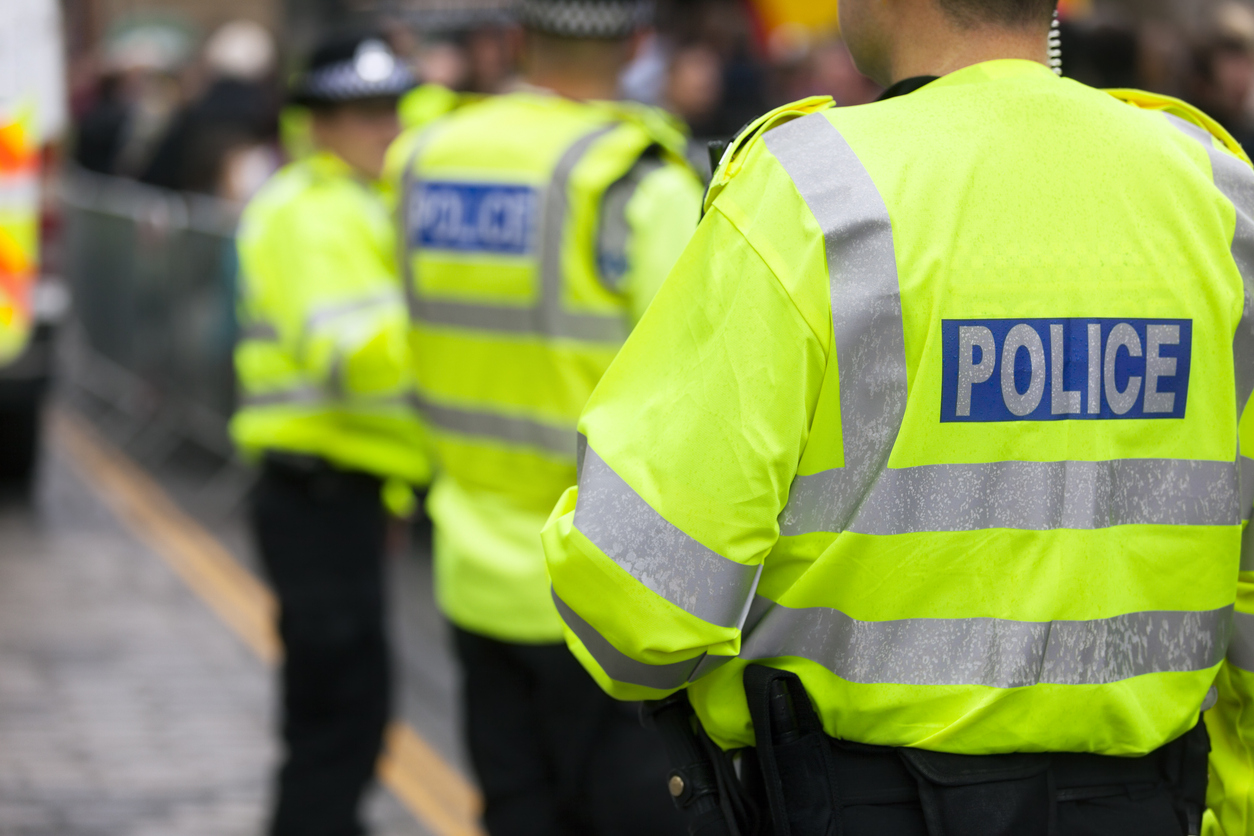
Several other preachers share similar experiences, including Shaun O’Sullivan and John Sherwood, suggesting a possible ideological commitment by some officers to suppress conservative viewpoints. Yet, not all law enforcement holds this stance; notable exceptions exist, such as PC Moule in Whitechapel, who defended a preacher’s right to free speech during a tense encounter with a crowd.
Toby Young, from the Free Speech Union, praised Moule’s understanding of the law, emphasizing that peaceful public preaching is a right protected under Article 10 of the Human Rights Act 1998. He lamented that such defense of free speech is rare among UK police.
The ongoing challenges faced by preachers are further illuminated by Davie’s mention of Finnish politician Päivi Räsänen’s conviction for ‘hate speech’. This reflects a wider cultural shift within the UK, influenced by neo-Marxist ideologies that elevate certain groups over others, potentially at the expense of conservative Christian expression.
In his book, Strange New World, Carl Trueman captures the essence of this shift, arguing that society’s embrace of psychological identity leads to the perception of dissenting narratives as oppressive. As a result, traditional freedoms like speech and academic liberty are viewed as tools of oppression, supplanted by a focus on victimhood.
Without significant cultural changes, such perspectives are likely to persist, continuing to impact the freedom of expression for Christian street preachers in the UK. For those seeking to comprehend the cultural forces at play, Davie’s work remains an essential read.
This article was originally written by www.christiantoday.com