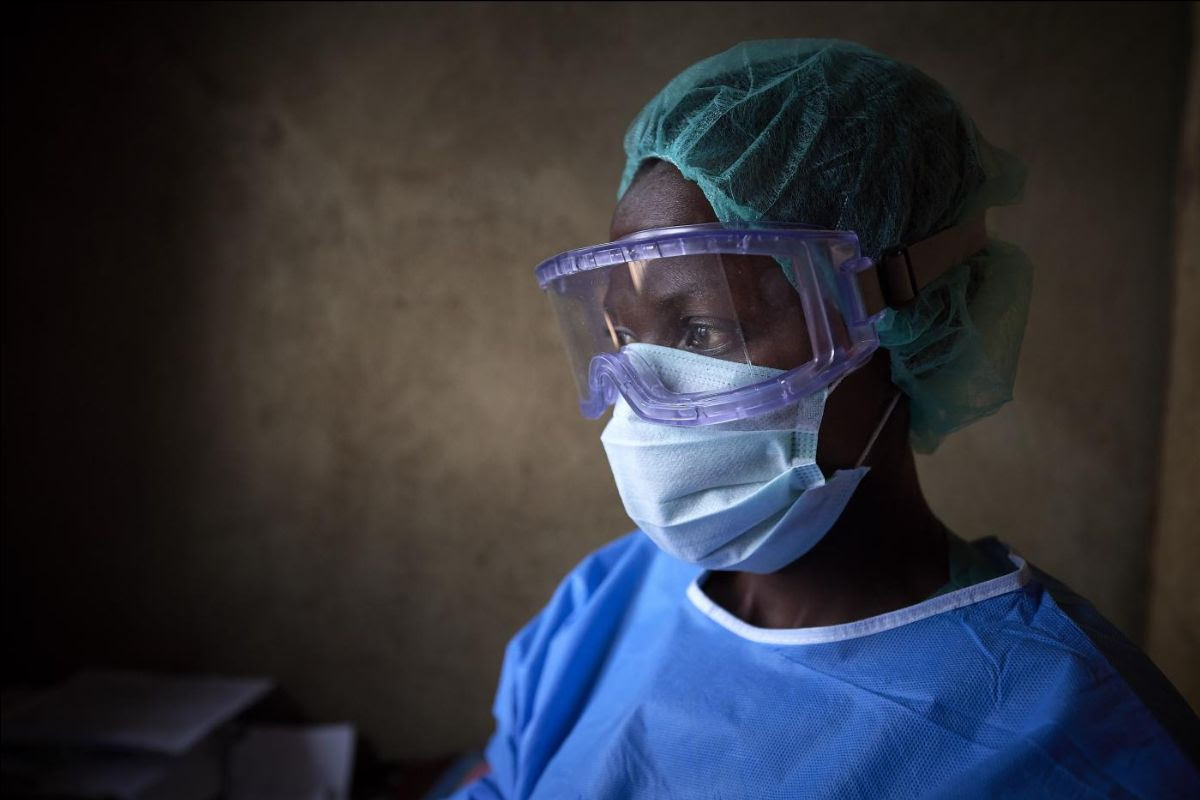
Ebola Outbreak in DRC: Churches Urged to Join Fight
Amidst an escalating Ebola crisis in the Democratic Republic of the Congo (DRC), the World Council of Churches’ (WCC) general secretary, Rev Jerry Pillay, has expressed significant concern over the situation. Emerging from Ituri province, this outbreak has claimed 131 lives so far, with officials reporting over 500 suspected cases nationwide. The outbreak has even reached Uganda, where one fatality has been confirmed.
The World Health Organization has categorized the situation as a public health emergency of international concern, amplifying the urgency of the crisis. The outbreak poses an additional challenge to the DRC, already embroiled in conflicts involving government forces, the M23 rebel group, and Islamist militants.
Rev Pillay remarked, “This outbreak is unfolding in contexts already burdened by poverty, fragile health systems, food insecurity, displacement, and the long-term impacts of conflict.” He emphasized how such vulnerabilities can exacerbate disease exposure and hinder access to necessary care.
The WCC is calling on churches to actively contribute to alleviating the hardships faced by local communities. Pillay stressed the importance of not only providing material aid but also promoting accurate medical information and combating misinformation.
“We call on governments, international agencies, churches, and civil society to cooperate across borders, to share treatments, technologies, and financial resources so that the most affected communities are not left behind, and to ensure safe and unhindered access for health workers and humanitarian actors,” he said.
Of particular concern is the WHO’s report indicating a lack of approved vaccines or therapeutics for the Bundibugyo strain of Ebola driving this outbreak. Pillay has also appealed for a cessation of military activities to allow medical aid to reach affected regions.
The WCC is urging global communities to support the most vulnerable, including the sick, health workers, displaced individuals, and communities already suffering from violence and poverty, through prayer, advocacy, and solidarity.
“In this shared global responsibility, we reaffirm that solidarity must extend beyond emergency response to addressing the root causes of vulnerability, including inequality, marginalization, and lack of access to essential services, so that communities are better protected against future health crises,” Pillay continued.
This article was originally written by www.christiantoday.com