In the heart of many English cities, cathedrals stand not only as architectural marvels but also as bustling centers of community and culture. These historic structures are cherished not just for worship but for their pivotal role in local tourism and economic contribution.
The latest report by religion think-tank Theos reveals that cathedrals rank as the Church of England’s most frequented places of worship. These iconic buildings attract numerous visitors, including those without religious affiliations, who appreciate the serene environment, music, and art.
Theos’s report, ‘Living Stones: English Cathedrals as Sacred Spaces in Changing Times,’ highlights impressive statistics, noting that 77% of adults in England have visited a cathedral in the last three years. The report can be accessed here.
Beyond spiritual engagement, cathedrals significantly impact local economies, generating approximately £235 million annually and supporting over 6,000 jobs. Volunteer engagement is also strong, with around 13,000 individuals contributing their time and skills.
However, the financial sustainability of these cathedrals is in jeopardy, as four out of five operate with “structural deficit” and lack assured national funding for core activities.
Efforts to attract more visitors have sometimes led to controversy. For instance, an art installation at Canterbury Cathedral faced criticism for its modern style, and other cathedrals have been scrutinized for hosting unconventional events like fairground rides and silent discos. St Albans Cathedral sparked a debate with a painting of the Last Supper featuring Jesus as a black man.
Research from the Bible Society indicates that cathedrals are among the top places for encountering the Bible for non-religious individuals or non-practicing Christians. This underscores the importance of educational materials and displays within these sacred spaces.
The Theos report emphasizes the need for increased support and recognition of cathedrals’ public benefits, including wellbeing, education, and community cohesion. Sustainable investment and stronger partnerships with governmental bodies are deemed crucial for their future.
Journalists and commentators are urged to provide more balanced coverage of cathedral activities, highlighting their community contributions rather than focusing solely on controversies.
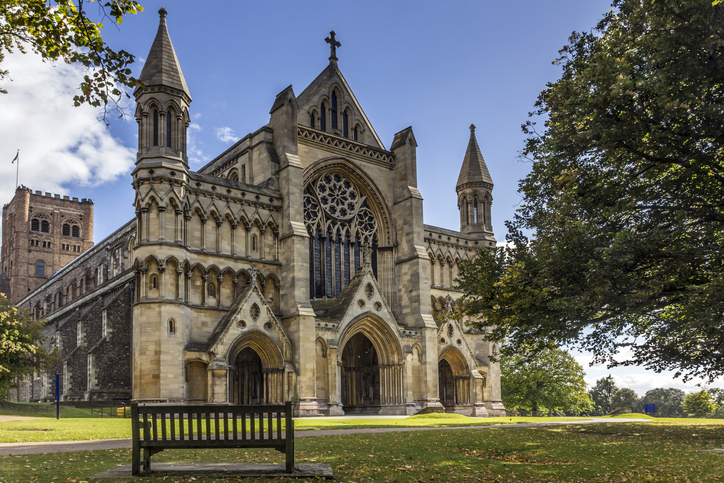
In St Albans, cathedrals play a vital role, contributing to the local economy by attracting visitors who support nearby businesses. The cathedral also serves as an educational hub for children and adults alike.
The comprehensive Theos research included a YouGov poll of over 1,800 adults in England, surveys of more than 1,300 cathedral visitors, and interviews across six cathedrals, including St Albans, Carlisle, Derby, Exeter, Rochester, and York.
Rev Peter Crumpler is a Church of England minister in St Albans, Herts, UK, and a former communications director with the CofE.
This article was originally written by www.christiantoday.com