Graduation Ceremonies Marred by AI-Related Backlash
As the Class of 2026 steps into the world, their commencement ceremonies have become unexpected stages for controversy surrounding artificial intelligence. A wave of discontent has emerged among graduates, reflecting growing concerns over AI’s impact on their futures.
At Glendale Community College, located near Phoenix, the excitement of graduation turned to frustration when the wrong names were announced during the diploma handout. Tiffany Hernandez, the college’s president, attributed the mishap to a new AI system, which elicited loud boos from those present. Despite an apology from the college, the incident underscored a broader unease surrounding AI technology.
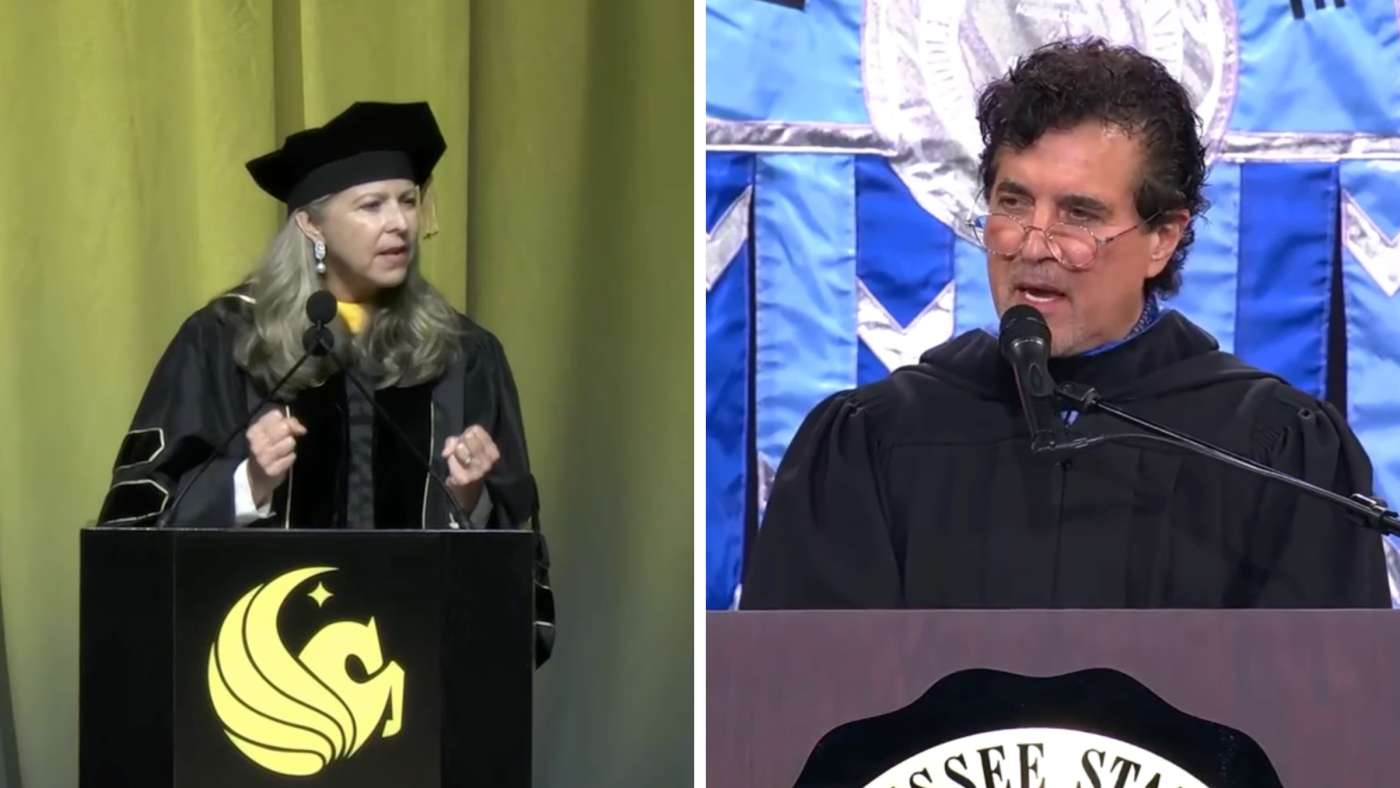
Similar sentiments were echoed at other institutions. Gloria Caulfield, a real estate executive, faced backlash when she referred to AI as “the next industrial revolution” during her speech at the University of Central Florida on May 8. Scott Borchetta, CEO of Big Machine Records, encountered a similar reaction at Middle Tennessee State University when he stated, “AI is rewriting production as we sit here.” His call to “make it work for you” did little to quell the discontent.
Former Google CEO Eric Schmidt also faced criticism at the University of Arizona on May 15. His remarks about AI’s inevitable influence were met with repeated boos, highlighting the skepticism of graduates towards the technology.
Launched in 2022, ChatGPT has been a significant factor during the academic careers of these graduates. While some have leveraged AI for entrepreneurial endeavors or academic shortcuts, many express concern over its broader implications. Maggie Simmons, a University of Denver student, admitted she would likely join those expressing disapproval. She fears AI’s environmental impact and its potential to exacerbate social inequities.
Kareen Gill, a recent political science graduate from American University, noted a shift in perspective among her peers. Initially intrigued by AI’s capabilities, many now worry about its impact on job prospects. Gill pointed out the reduction in entry-level positions due to AI integration, a concern shared by many in her generation.
Quinnipiac University’s March poll revealed a generational divide regarding AI’s influence on employment. “Gen Z, despite being more familiar with AI, is the most pessimistic about jobs,” explained Chetan Jaiswal, a computer science professor involved in the poll. This sentiment reflects a broader apprehension about AI’s role in society, with only 5% of Americans believing AI development aligns with their interests.
As graduates voice their concerns, the debate over AI’s impact continues to unfold, challenging both the technology’s proponents and its critics to address the complex issues it presents.
Further Reading
- AI in Education: Opportunities and Challenges
- Environmental Concerns with AI Development
- Quinnipiac University Poll on AI and Job Prospects
This article was originally written by www.npr.org