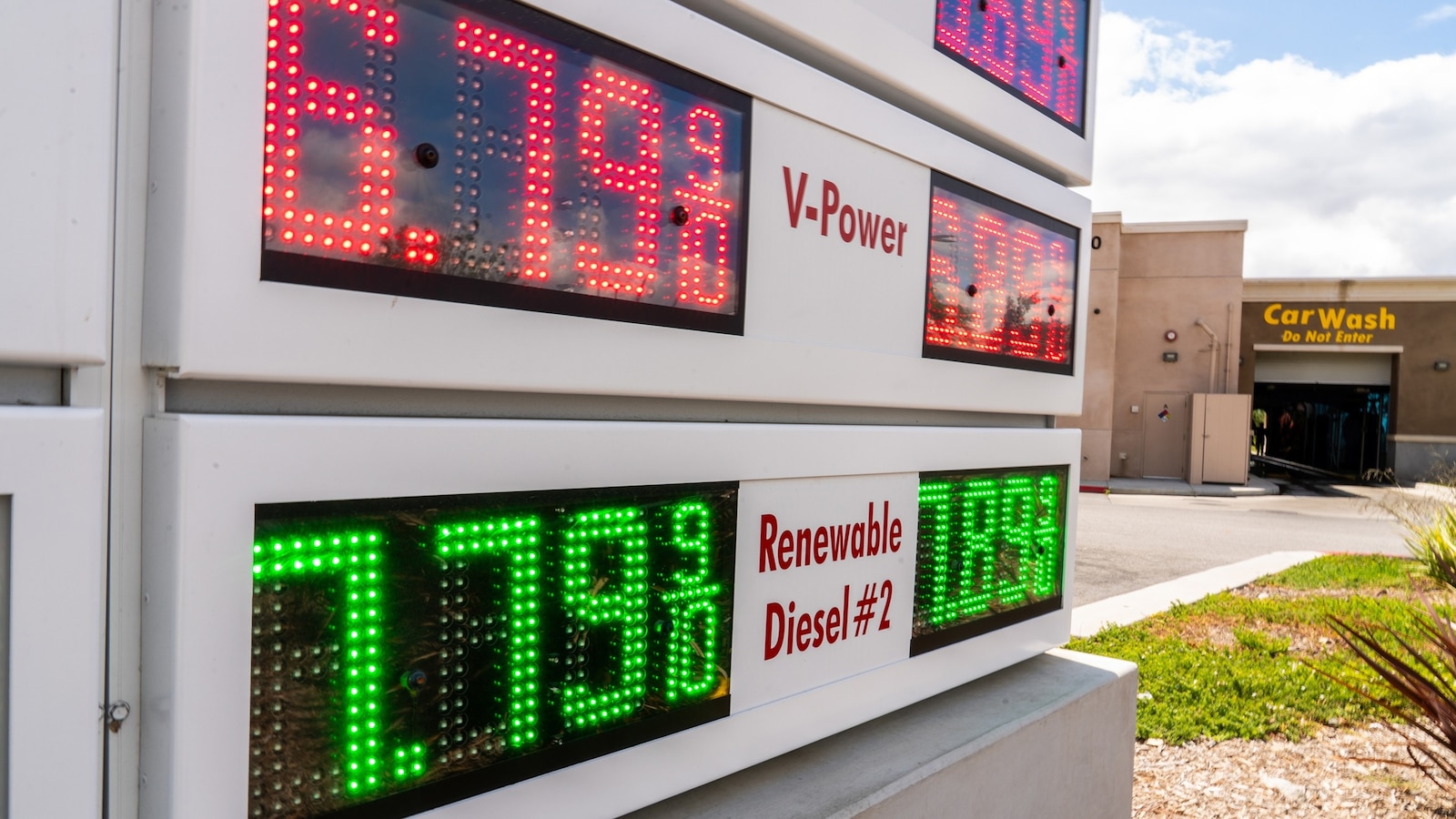
Gas Prices Surge Under the Shadow of Middle East Tensions
The U.S. military engagement in Iran has sent ripples through global energy markets, leaving American consumers grappling with historic fuel costs. A recent survey highlights widespread concerns over rising prices and strained household finances.
A nationwide ABC News/Washington Post/Ipsos poll released last week shows that half of Americans expect gas prices to climb further over the next year. The same survey found that four in ten feel they are worse off financially than they were when President Donald Trump began his second term in January 2025, and nearly one-quarter say they are falling behind on basic expenses.
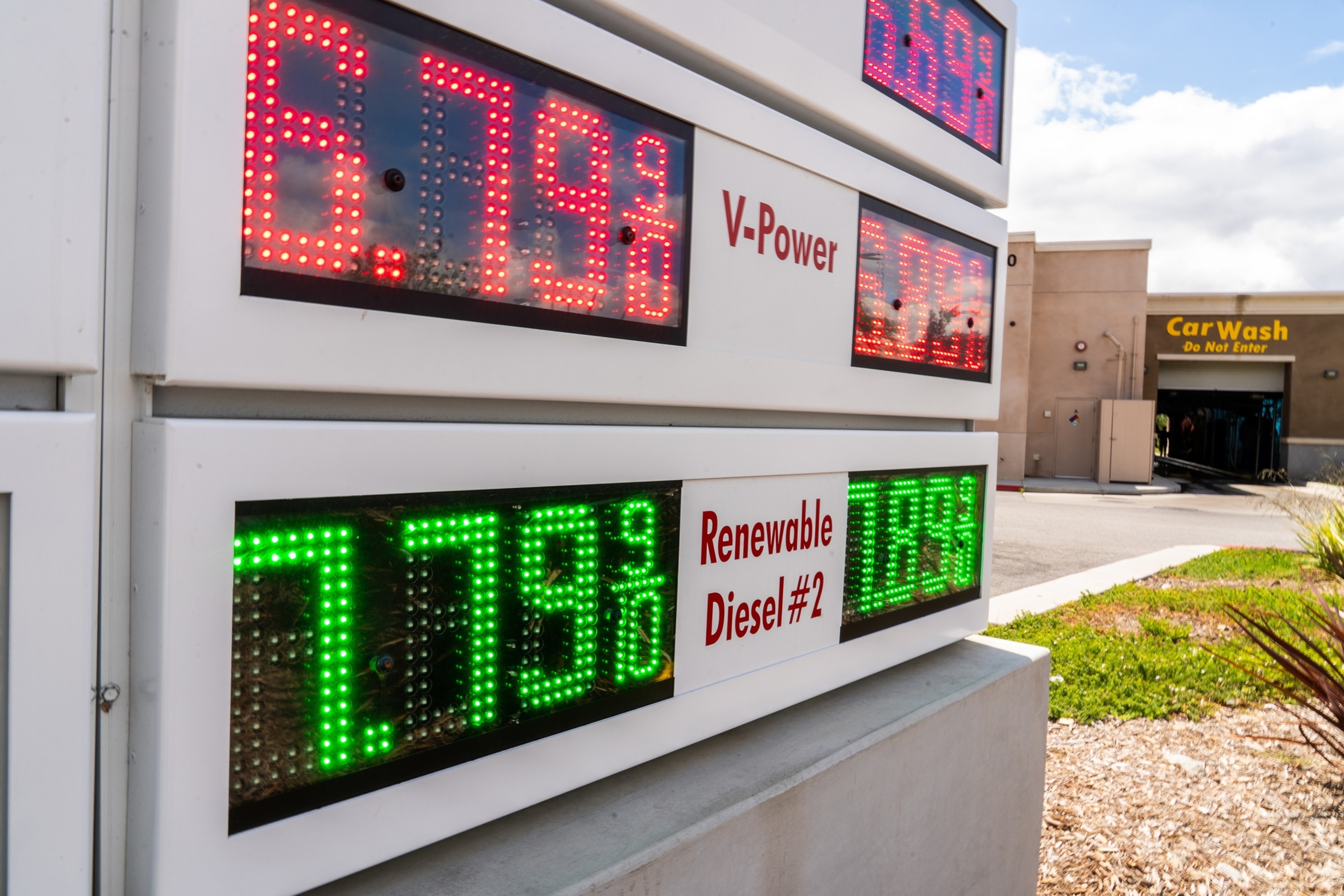
Kyle Grillot/Bloomberg via Getty Images
In follow-up interviews, many respondents described difficulty affording necessities. In Beebe, Arkansas, 28-year-old Jacob Olson—laid off from a solar company and now self-employed building custom wood pieces—spends heavily on fuel while visiting clients. “One day at a time,” Olson said. “One foot in front of the other. … That’s about the way to sum it up.” He added, “I don’t really do anything, you know, for leisure or luxury anymore. It’s all kind of just getting the bills paid … I have a 1-year-old, and I just had another baby about a month ago, so I’ve got two little ones, and every day it’s getting harder.”
In Lubbock, Texas, 66-year-old Brenda Howard said she relies on ride-sharing services in lieu of a personal vehicle, with a trip to the grocery store costing around $30. “This is not the way I thought my retirement was gonna turn out,” Howard said. “I never dreamed that it would be a day-to-day struggle, sometimes hour to hour.”
The survey also found that 44% of Americans have cut back on driving, 42% have reduced household spending, and 34% have changed travel or vacation plans. Among households earning under $50,000 annually, more than half report scaling back fuel use and general expenses.
In rural Tool, Texas, 66-year-old caretaker Martha Davis travels up to 60 miles for her son’s medical appointments. “I used to get back and forth on like $20, $25, but now it’s almost 70 bucks,” Davis said, describing the jump in her fuel expenses.
Despite financial strain, some Americans continue to back the administration. Andy Breedlove, 51, from West Virginia, who is not working due to a disability, said he believes the conflict will keep fuel costs rising but noted that “with the price of everything else, it kind of evens out a little.” He attributes the upward pressure to Iran’s blockade of the Strait of Hormuz—a route for roughly 20% of global oil.
Six in ten Americans in the poll judged the decision to go to war against Iran a mistake. Olson criticized the president’s communication, saying, “He hasn’t made a clear statement on why … we’re actually participating at all. From what I know, there’s been a lot of just lying and, you know, not being transparent, and … a big lack of professionalism, which I don’t appreciate coming from the president.” Former Walmart employee Christopher Mosley, 43, from Fort Smith, Arkansas, labeled the administration “reckless” in its foreign policy.
Public statements from President Trump have varied: in April he suggested prices might stay level or rise, while on May 1 he said they would come “tumbling down” once the conflict ends. Iran is reviewing the latest proposal from the U.S. government aimed at winding down the war, a foreign ministry spokesperson said.
Economic pressures may shape the upcoming midterm elections, where Democrats are positioned to make gains. Some Republicans, like 36-year-old Jim Piper of Indiana, blame congressional gridlock rather than the administration for rising prices. “I got to pay more, even though I’m not making more,” Piper said.