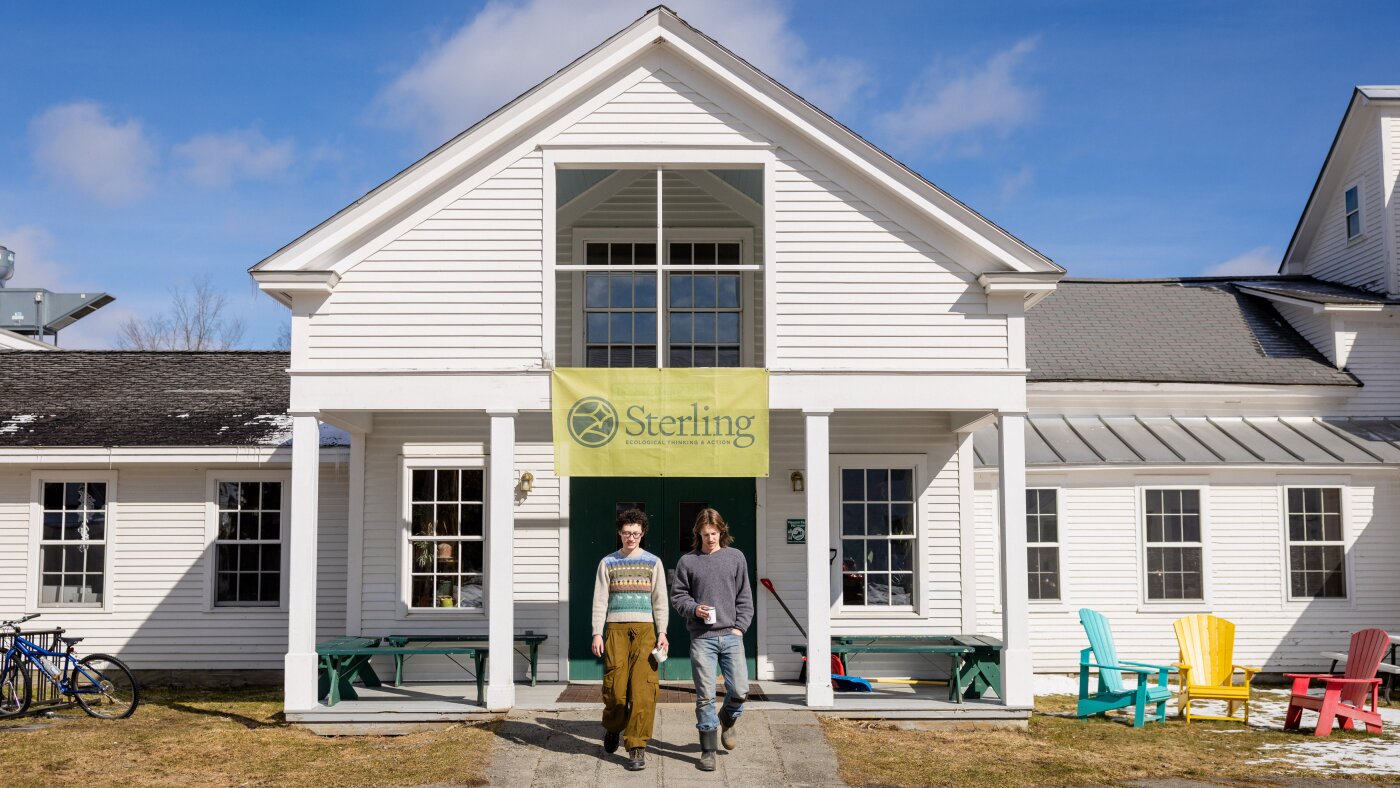
Small Colleges in Crisis: A Glimpse into Sterling College’s Closure
In the secluded town of Craftsbury Common, Vermont, Sterling College stands as a symbol of the struggles facing many small, rural colleges in the United States. Known for its unique approach to education through its 130-acre farm, Sterling College has announced it will close its doors at the end of the current semester, leaving students and the local community grappling with a profound loss.
Senior LillyAnne Keeley, who enjoys the college’s picturesque environment, expressed her concerns about the closure. “We have a beautiful view,” she said, reflecting on the scenic sunsets she witnesses daily. However, the announcement has prompted her and her peers to appreciate their remaining time at Sterling more than ever before.
According to a forecast by Huron Consulting Group, Sterling is not alone in facing such challenges. An estimated 442 of the nation’s 1,700 private, nonprofit four-year colleges and universities, representing around 670,000 students, may close or merge within the next decade.
In a study conducted by Huron, factors such as enrollment trends, tuition revenue, assets, debt, and available cash were analyzed to identify vulnerabilities. Many at-risk institutions are small and rural, similar to Sterling. “Now that this might be gone, I just really worry about some students out there that are going to have less and less choices,” Keeley shared.
Peter Stokes, a managing director at Huron, highlighted the broader issue: “We have too many seats. We have too many classrooms. So over the coming five to 10 years, this shakeout is going to take place.”
Sterling has given its students a final semester to complete their degrees or transfer, a considerate move compared to other colleges that have closed abruptly. A report by the State Higher Education Executive Officers Association (SHEEO) found that fewer than half of students at closing colleges continue their education, and those who do often face challenges such as losing credits.
Izzy Johnson, a 20-year-old student, has already experienced the turbulence of college closures. His initial college choice shut down before he graduated high school, leading him to Sterling. “Having to pick up everything and find a new place to settle down is really miserable,” Johnson said.
Founded in 1958 as a prep school for boys, Sterling never reached a large enrollment, peaking at 120 students. This year, only about 40 students were enrolled. Despite its small size, Sterling holds a special place in the hearts of many, including first-year student Jack Beatson, who said, “I don’t think I would have done well at a big, traditional college.”
Impact on the Community
The closure of Sterling College not only affects students but also the local community. Liz Chadwick, a former student who now teaches at the college, noted, “We always joke that Sterling kids stick around. But it’s true, they do, and they contribute to the community.”
As colleges like Sterling disappear, they leave significant voids in small rural communities. “Losing colleges like Sterling leaves craters in the small rural communities that they have been a part of for, in some instances, decades or a century,” said Scott Thomas, Sterling’s president.
Despite the challenges, Sterling’s students remain grateful for their experiences. “I’m so glad I got to spend at least a year here,” said Beatson. “Just feeling like you’re really part of something, and other people depend on you — that’s very important to young people especially, and today especially.”
Beatson plans to transfer to another small college in upstate New York, but he carries a piece of Sterling with him. “We’ll all take this place with us, wherever we end up,” he said.
This story was produced by The Hechinger Report, a nonprofit, independent news organization focused on inequality and innovation in education. Contact writer Jon Marcus at 212-678-7556, jmarcus@hechingerreport.org or jpm.82 on Signal.
This article was originally written by www.npr.org