Escalating Tensions in the Middle East: Key Developments
The Middle East remains on edge as recent actions and international negotiations unfold amid ongoing conflicts. Israel and Lebanon’s fragile ceasefire is under strain, while the U.S. and Iran navigate their complex diplomatic landscape.
Israel’s military conducted strikes on Hezbollah targets in southern Lebanon following rocket fire from the Iran-supported group into Israeli territory. This exchange occurred shortly after President Trump’s announcement of an extended ceasefire between Israel and Lebanon, which did not include Hezbollah in the talks.
The truce appears unstable, as tensions were further fueled by an Israeli airstrike that resulted in the death of Lebanese journalist Amal Khalil, marking the eighth journalist fatality in Lebanon within two months, as reported by the Committee to Protect Journalists.
Lebanon’s ongoing conflict has led to nearly 2,300 fatalities and displaced around 1.2 million individuals, according to the Lebanese government. The ceasefire is critical to broader U.S. attempts to maintain a separate truce with Iran, which insists on a pause in Lebanon’s hostilities to continue peace discussions with the U.S.
While President Trump has indefinitely extended the ceasefire with Iran, the extension has been deemed “meaningless” by Iran, citing the U.S. naval blockade on Iranian ports as a violation of the agreement. Iranian negotiators demand the blockade’s removal before resuming peace talks.
Tensions have also escalated in the Strait of Hormuz, a pivotal route for global oil transportation. The U.S. military recently seized an oil tanker from Iran, followed by Iran’s capture of two commercial vessels in the strait, prompting Trump to order the Navy to “shoot and kill any boat” laying mines in the area.
Trump’s Stance on the Middle East Conflict
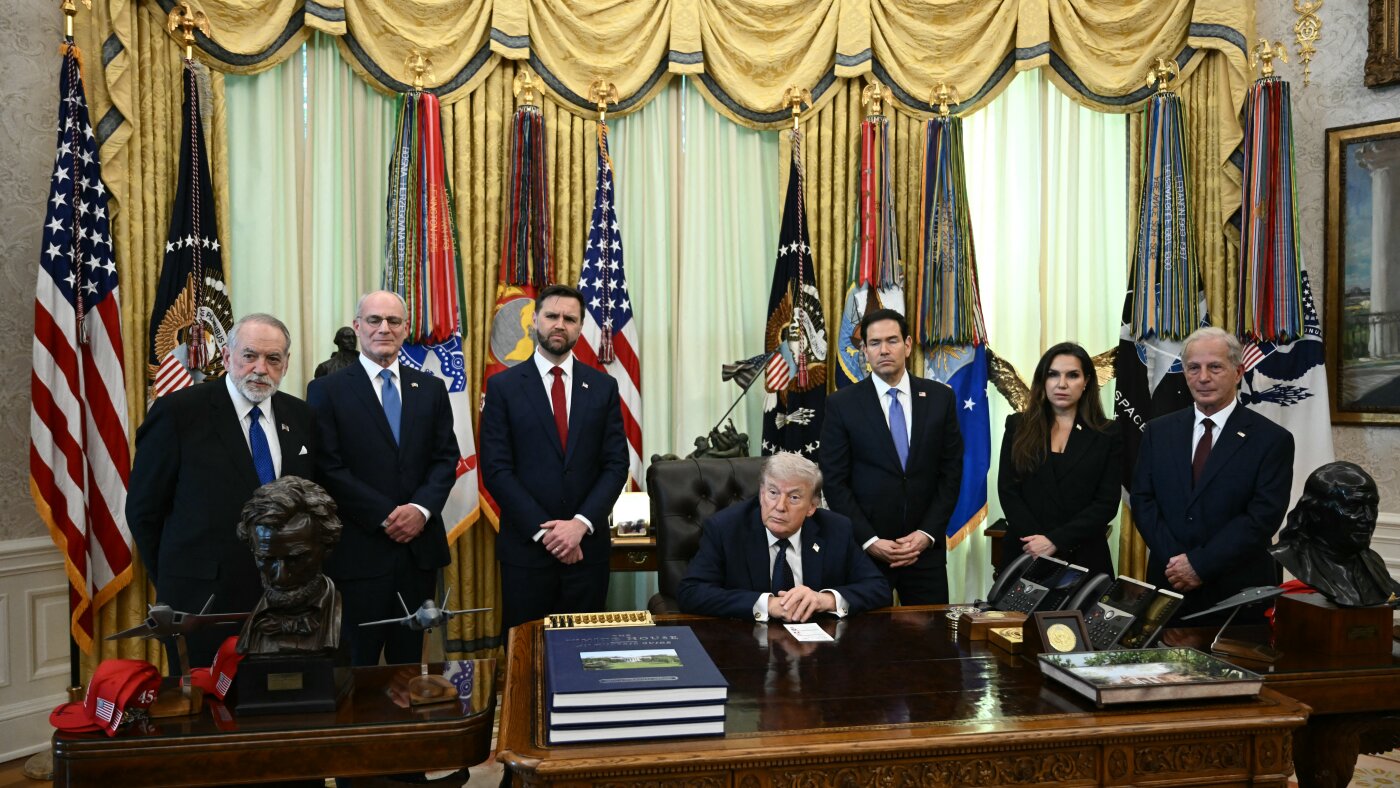
President Trump expressed a lack of urgency in resolving the U.S.-Israeli-led conflict with Iran, emphasizing his preference for a strategic approach to secure “the best deal” to conclude the war. He explicitly ruled out the use of nuclear weapons against Iran.
Despite a Pentagon report suggesting a six-month timeline to clear the Strait of Hormuz of mines, Trump contests this, asserting that U.S. minesweepers are already addressing the issue. The threat has significantly impacted global shipping, with many vessels avoiding the strait due to recent attacks by Iran.
The disruption extends beyond oil, affecting the supply of essential goods like helium, fertilizer, and aluminum, thereby causing global shortages and increased prices.
Calls for Investigation and International Response
Amal Khalil’s death has prompted press freedom organizations to demand an international inquiry into the incident. The Israeli military claims it was responding to an imminent threat and is reviewing the airstrike.
Jodie Ginsberg of the Committee to Protect Journalists criticized Israel’s actions, stating, “Journalists are civilians and protected under international law.” Lebanese Prime Minister Nawaf Salam condemned Israel’s targeting of media professionals as a systematic approach that violates international laws.
Since the conflict began, eight journalists have died in Lebanon due to Israeli actions, according to CPJ.
Pope Leo’s Call for Renewed Negotiations
Pope Leo XIV urged the U.S. and Iran to return to negotiations to end the conflict, advocating for a “culture of peace.” He highlighted the complexities of the talks but stressed the importance of dialogue.
The pope carried a photograph of a young Lebanese boy killed in Israeli attacks, emphasizing the need to uphold values without resulting in further innocent lives lost.
Drone Attacks and Regional Security Concerns
The Kurdistan Freedom Party reported drone attacks on its base in Iraq, resulting in injuries. Despite the U.S.-Iran ceasefire, Iranian and allied militias continue targeting opposition bases.
Drone strikes were also reported in Kuwait, with authorities noting material damage but no injuries. PAK, trained by U.S. forces, urged Trump to protect Iraq’s Kurdish region.
President Trump’s indefinite ceasefire with Iran is challenged by the ongoing U.S. blockade, which Iran sees as a breach of the truce.
Kat Lonsdorf in Beirut, Lebanon, Jane Arraf in Amman, Jordan, Ruth Sherlock and Rebecca Rosman in London, and Jackie Northam contributed reporting to this story.