Virginia’s Redistricting Plans Stalled by Supreme Court Ruling
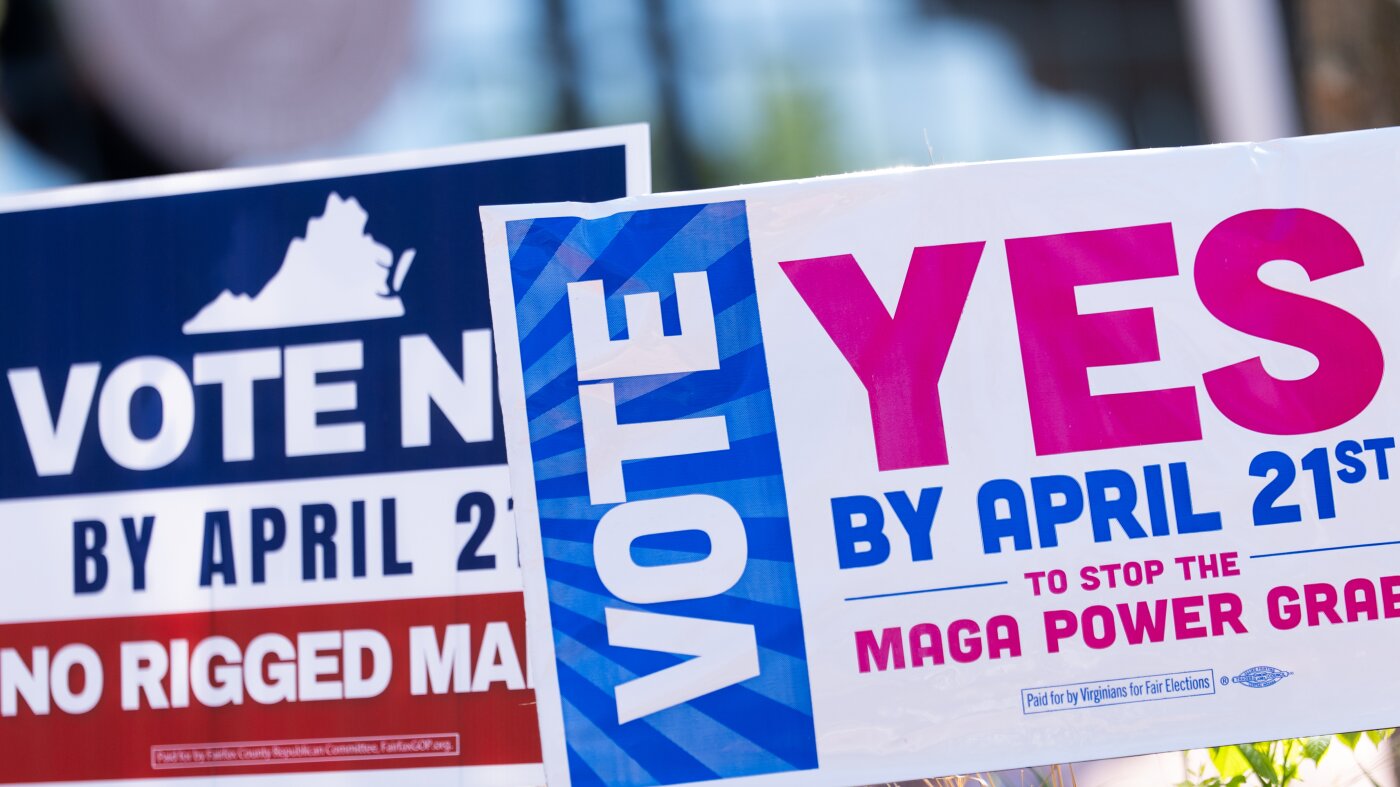
In a significant legal development, the Supreme Court of Virginia has invalidated the congressional redistricting plan that voters endorsed in April, marking a substantial hurdle for Democrats seeking to balance the GOP-led redrawing of electoral maps under former President Trump. The ruling highlights procedural missteps by the state’s Democratic lawmakers, affecting the legislative process.
The redistricting amendment, favored by a narrow 52% to 48% voter margin, faced rejection following a Republican lawsuit. The court identified procedural flaws in how the amendment reached the ballot, stating that these errors “incurably taint the resulting referendum vote and nullify its legal efficacy.” The full opinion is available here.
As a consequence, the state must revert to the congressional district map used in 2022 and 2024 for the upcoming elections. This decision disrupts Democratic ambitions to gain up to four Republican-held seats in Virginia, which, along with other favorable changes, could have provided them with a total of ten seats.
Republican Momentum in Redistricting
The court’s ruling has given Republicans a strategic advantage in the redistricting contest. With a current lead of up to eight seats, the GOP is poised to strengthen its hold, particularly in Southern states where redistricting efforts are underway.
In April, Florida Republicans launched their own redistricting initiative. This move was followed by similar efforts in Tennessee, Alabama, and Louisiana, which gained momentum after the U.S. Supreme Court’s decision to weaken voting rights protections for minority communities. Tennessee has approved a new map aimed at flipping a Democratic seat.
Constitutional Procedures in Question
The Virginia Supreme Court’s decision rested on constitutional grounds, citing the legislature’s failure to adhere to a required multi-step amendment process. The state constitution mandates bipartisan commission involvement, yet the legislature temporarily assumed redistricting powers, leading to legal scrutiny.
The amendment process in Virginia requires consecutive special session votes, separated by an election. Republicans contended that the initial vote occurred in a session called for unrelated topics and that the subsequent election was too soon after, violating procedural norms.
Democratic attorneys argued that the legislature’s procedural choices are beyond judicial review and that errors should not override voter decision. However, the court’s narrow 4-3 decision disagreed.
Reactions to the ruling were mixed. “I am disappointed by the Supreme Court of Virginia’s ruling,” remarked Democratic Governor Abigail Spanberger, emphasizing the importance of voter participation in upcoming elections. Conversely, Republican National Committee Chair Joe Gruters hailed the decision as a victory for legal integrity, stating, “Today, the Virginia Supreme Court sided with the rule of law and struck down Democrats’ unconstitutional maps.”
Democratic Congressional Campaign Committee Chair Rep. Suzan DelBene criticized the ruling, asserting that it disregards voter intent. She vowed that House Democrats would continue their efforts to secure a majority, stating, “Our democracy was founded on the belief that the people have the final say. In November, they will, and they’ll power Democrats to the House majority.”