Funding Delays and Policy Changes Complicate Wildfire Prevention Efforts
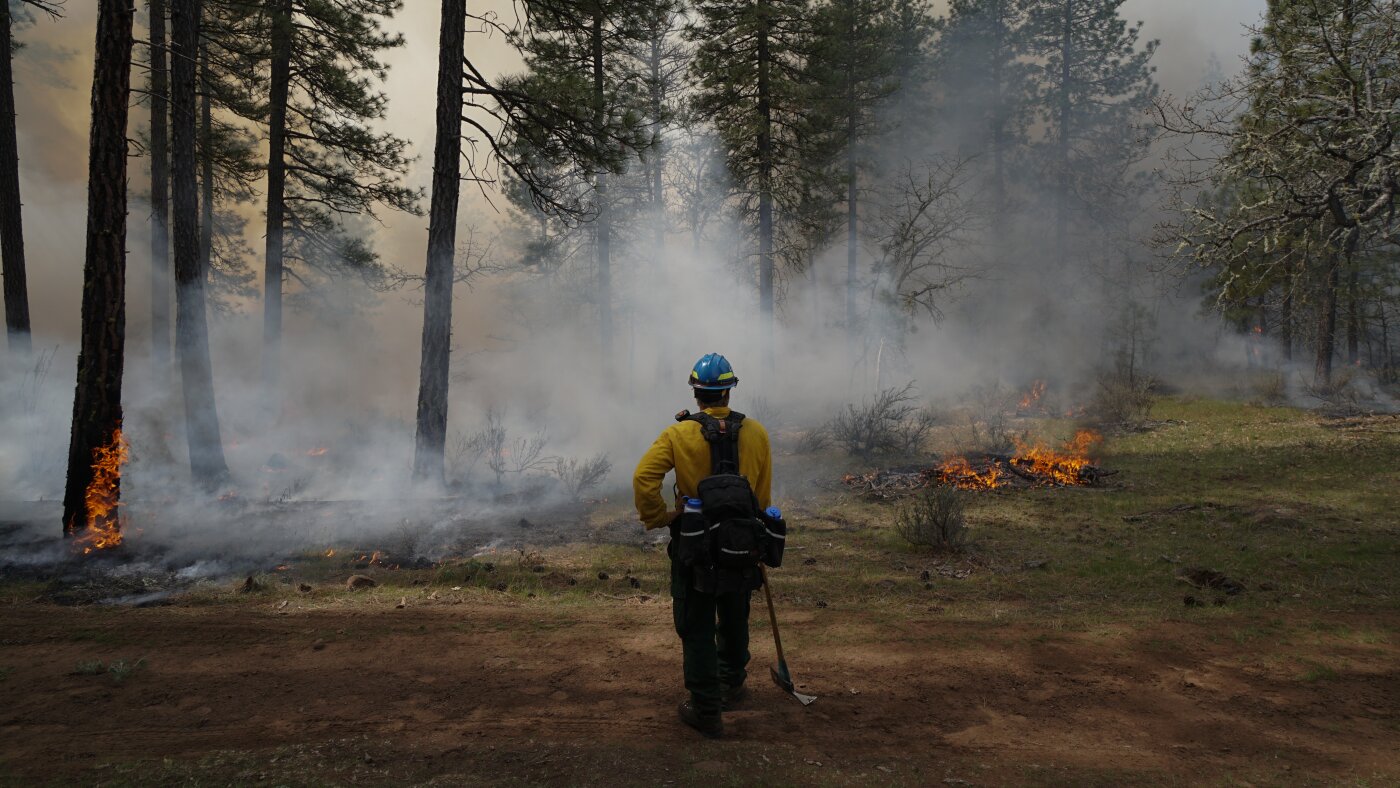
On a calm April day in southern Washington, Adam Lieberg found himself indoors, away from the forests he was meant to protect through controlled burns. The region, experiencing record temperatures and drought, faced a potentially severe wildfire season. Lieberg, a land manager with Columbia Land Trust, found himself hindered not by nature, but by financial and bureaucratic obstacles.
Last year, the U.S. Forest Service committed over $9 million to the Columbia Land Trust under the Community Wildfire Defense Grant Program. By spring, Lieberg planned to manage 500 acres through controlled burns to safeguard nearby communities and maintain forest health. However, financial backing from the grant had yet to arrive, stalled by federal policy stipulations unrelated to wildfire prevention.
These stipulations, introduced in a memo by U.S. Department of Agriculture Secretary Brooke Rollins, aimed to promote “America First” policies, requiring compliance with immigration and diversity hiring rules. Washington’s State Forester, George Geissler, noted that adherence to these new federal terms conflicted with state laws, effectively barring access to the funds needed for controlled burns.
The issue is widespread, affecting 22 states and two Tribes promised $200 million under the grant program. NPR’s inquiries to the Forest Service regarding the delay went unanswered. In response, 20 states and the District of Columbia filed a lawsuit against the USDA, challenging the restrictive funding terms.
Policy changes further complicate the situation. Interior Secretary Doug Burgum’s directive now mandates a full wildfire suppression strategy on federal lands, limiting prescribed burns. This, along with Forest Service Chief Schulz’s similar stance, has reduced the acreage burned for prevention compared to previous years.
For those living in wildfire-prone areas, such constraints increase vulnerability. Former firefighter Bill Avey emphasized the risk, stating that preventing natural fires leads to fuel accumulation, setting the stage for more severe wildfires. Carson States, another former firefighter, criticized these “suppression-only” policies as regressive.
Amidst these challenges, the Forest Service faces staffing shortages, losing over 5,000 personnel last year, including 1,400 trained in firefighting. Despite recent federal moves to increase firefighter pay, the instability within the agency remains a deterrent, as noted by former Field Ranger Liz Crandall.
Scientific research and indigenous knowledge both support the use of controlled burns to mitigate wildfire severity. A 2025 study highlighted that areas previously subjected to prescribed burns experienced less severe wildfires. Dr. Timothy Ingalsbee, a fire ecologist, criticized the current suppression strategies as contrary to established fire ecology principles.
Back in Washington, Lieberg remains hopeful that funding will arrive in time to conduct more burns before summer. Yet, each day of delay increases the risk of uncontrolled wildfires, threatening the very landscapes these preventive measures aim to protect. “If all of our stuff burns down before we could do our preventative beneficial fire, this is going to really take on a new level of frustration,” Lieberg said. “Because that’s why we’re trying to do this.”