U.S.-Iran Ceasefire Proposal Sparks Controversy as Talks Continue
The diplomatic tension between the United States and Iran has intensified following the latest exchange over a ceasefire proposal. President Trump publicly denounced Iran’s response, further complicating efforts to resolve ongoing hostilities.
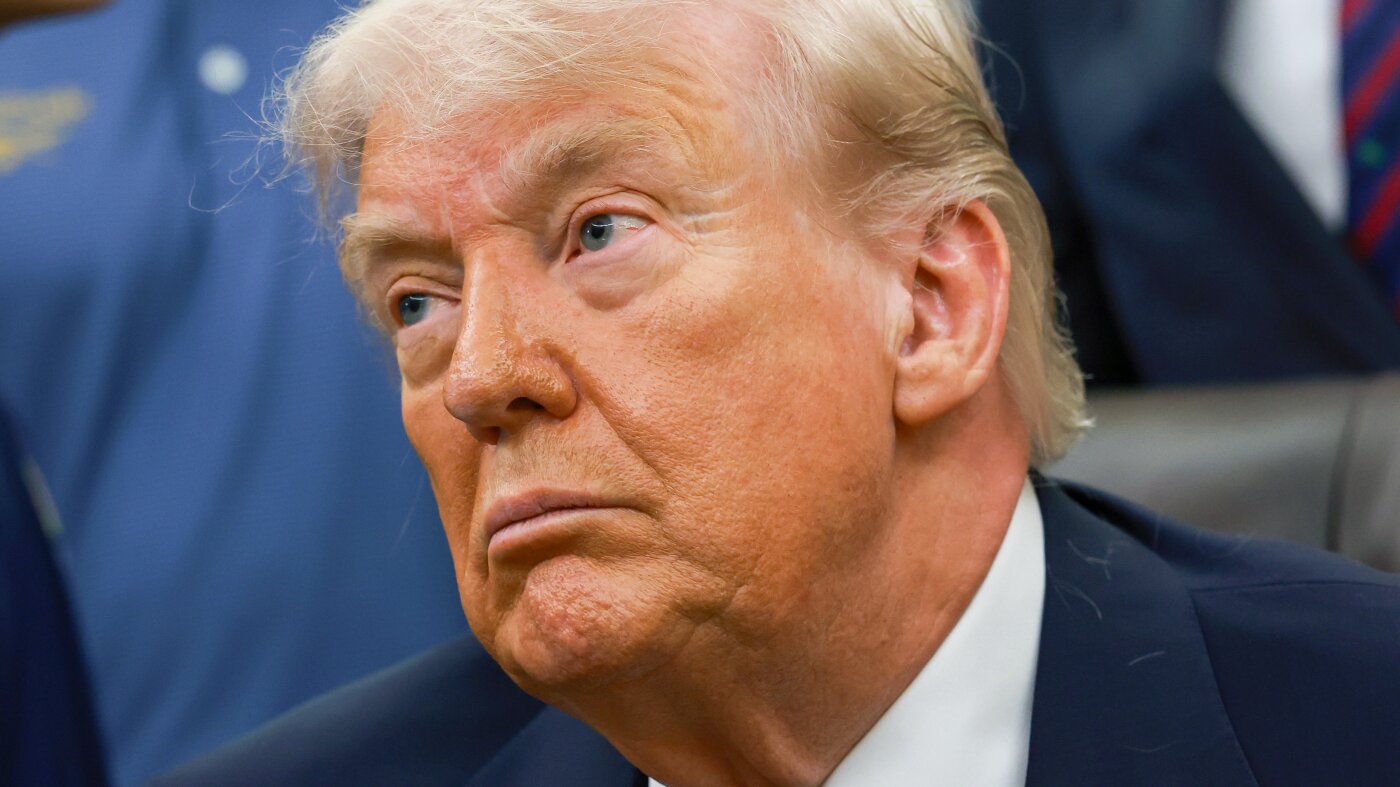
In a recent social media post, President Trump expressed his disapproval of Iran’s reaction to a U.S. ceasefire proposal, labeling it as “TOTALLY UNACCEPTABLE!” Earlier, he accused Iran of “playing games with the United States, and the rest of the World” in another post on the same platform.
According to Iran’s semi-official Tasnim news agency, Tehran’s response included calls for the cessation of hostilities, removal of U.S. sanctions on Iranian oil, lifting the U.S. blockade on Iranian ports, and the release of frozen Iranian assets.
Iran’s reply was reportedly conveyed to Pakistani mediators on Sunday, as confirmed by the state-run Islamic Republic News Agency (IRNA). A source familiar with the negotiations mentioned that the talks are currently concentrated on achieving a ceasefire in the region.
The Islamic Republic of Iran Broadcasting (IRIB) reiterated Iran’s stance, suggesting a willingness to maintain a ceasefire if the U.S. agrees to open the Strait of Hormuz reciprocally and continue negotiations towards ending regional conflicts.
The U.S. had initiated the conflict on February 28, citing objectives such as ending Iran’s nuclear program, curtailing its missile capabilities, and stopping its support for proxies like Hezbollah in Lebanon.
In retaliation, Iran closed the Strait of Hormuz to most shipping, prompting the U.S. to enforce a blockade on Iranian ports. This move has disrupted a crucial global oil route, contributing to an economic ripple effect with elevated fuel prices worldwide.