Archbishop Revokes Award from Muslim Cleric Amid Controversy
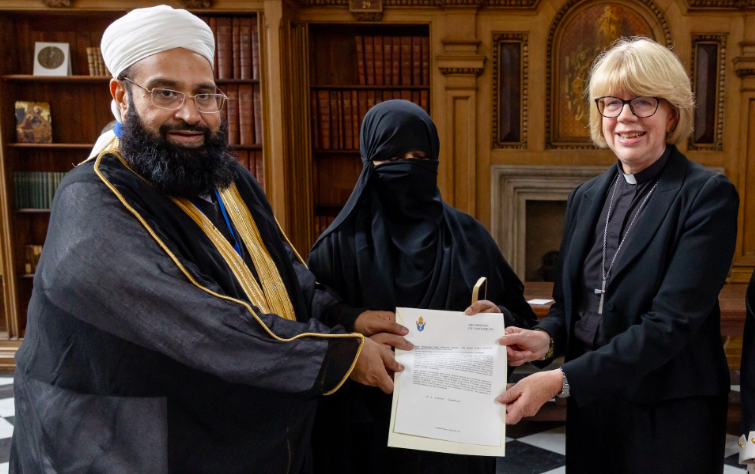
(Photo: Neil Turner)
A recent decision by the Archbishop of Canterbury to honor a Muslim cleric has sparked significant backlash, leading to a reversal of the award. Hafiz Muhammad Tahir Mehmood Ashrafi was initially recognized for his efforts in supporting religious minorities, particularly Christians in Pakistan, during a ceremony to commemorate the 25th anniversary of the 9/11 attacks.
The award, known as The Hubert Walter Award for Reconciliation and Interfaith Cooperation, was presented by Archbishop Sarah Mullally. However, controversy erupted when past comments from Ashrafi surfaced, revealing his praise for Osama Bin Laden, the mastermind behind the 9/11 terrorist attacks that claimed nearly 3,000 lives.
In response to the uproar, Lambeth Palace issued a statement explaining its decision to withdraw the award. The statement highlighted the importance of engaging in interfaith dialogue despite differences but acknowledged that Ashrafi’s previous comments were not in alignment with the values of the award.
“We have contacted Imam Ashrafi to make him aware of this decision. We continue to pray for the Christian community in Pakistan, and for all those working for interfaith dialogue and harmony in Pakistan and around the world,” the statement read.
Criticism came from various quarters, including Reform leader Nigel Farage, who described the award as “astonishing.” He questioned the reasoning behind honoring someone who had praised Bin Laden. Similarly, former Bishop of Rochester, Mgr Michael Nazir-Ali, voiced concerns about potential repercussions for Pakistani Christians, fearing they might face increased persecution.
Christian commentator Adrian Hilton also criticized the Archbishop’s oversight, calling it a “grave error” that marred the credibility of the Lambeth Awards. Conservative leader Kemi Badenoch echoed these sentiments, labeling the decision as a “significant lapse.”
Badenoch further commented on the implications for British culture, stating, “Britain is a Christian country, yet this image is a sad reminder that if we do not conserve our own faith and traditions, nobody else will.” She also criticized the presence of a fully veiled woman at the ceremony, describing it as a symbol of female oppression.
The incident has raised questions about the vetting processes for awards and the broader implications for interfaith relations in the UK.
This article was originally written by www.christiantoday.com